What Is Sidemount Diving?
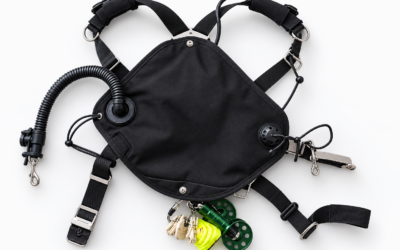
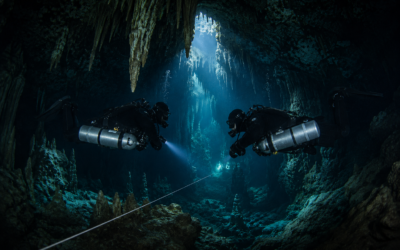
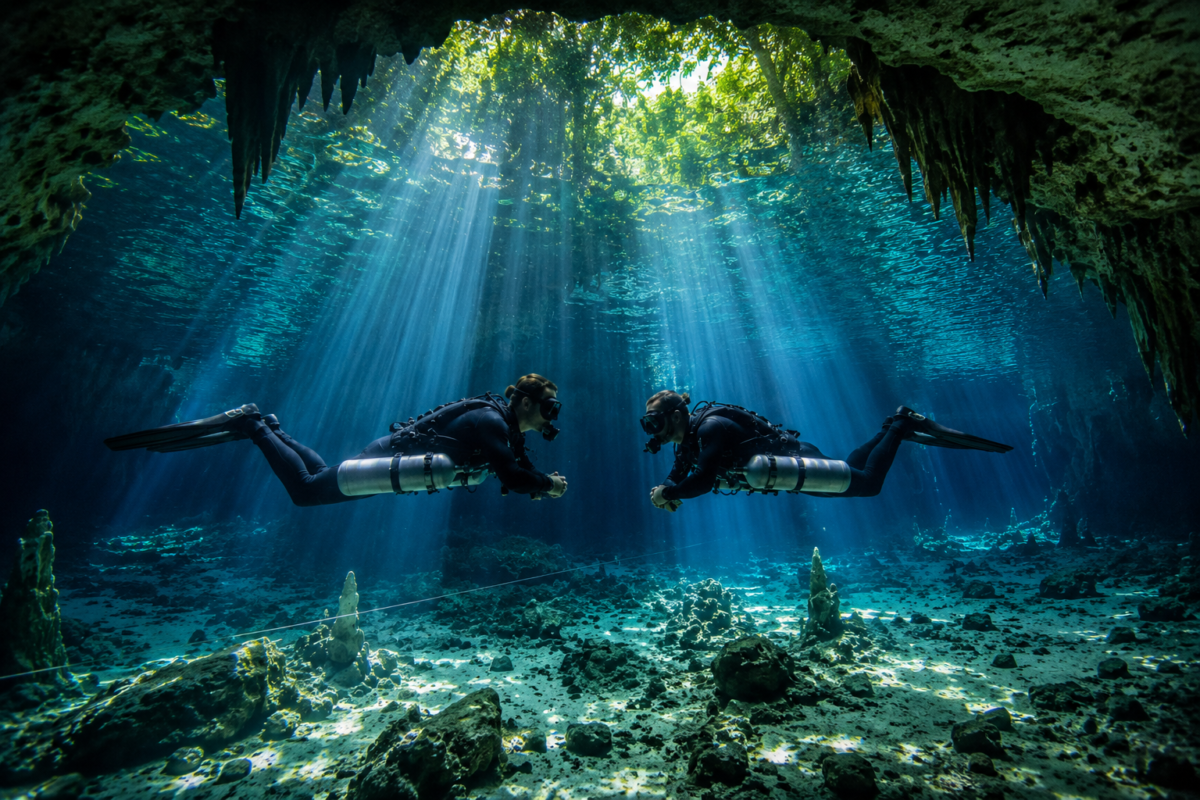
Sidemount diving is a scuba configuration where cylinders are mounted alongside the diver rather than on the back. Originally developed by cave divers exploring tight underwater passages, sidemount has become one of the most popular ways to dive in Mexico’s cenotes.
The system offers improved trim, better streamlining, increased redundancy, and easier equipment management. While it was once considered a specialist cave diving setup, sidemount is now widely used by recreational divers, technical divers, and cave divers around the world.
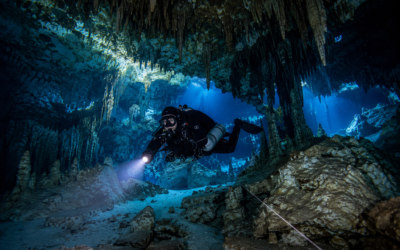
In the cenotes of Mexico, sidemount has become particularly popular because it allows divers to move efficiently through overhead environments while maintaining excellent buoyancy control.
Table of Contents
Why Is Sidemount So Popular in Mexico?
Mexico’s cenote systems are some of the most spectacular diving environments on Earth. Crystal-clear water, extensive cave systems, and unique geological formations make them the perfect place to learn sidemount diving.
Many cave divers choose sidemount because it provides:
- Improved streamlining
- Better buoyancy control
- Increased gas redundancy
- Easier equipment handling
- Greater flexibility in overhead environments
Even for recreational divers, the benefits become obvious after only a few dives.
Benefits of Learning Sidemount Diving
Better Trim and Streamlining
One of the first things divers notice is how much easier it is to maintain a flat, horizontal position in the water.
Good trim reduces drag, improves gas consumption, and makes diving more comfortable.
Improved Equipment Management
Because the cylinders are mounted at your sides, they can be attached and removed in the water. This reduces strain on your back and makes carrying equipment much easier.
Enhanced Safety Through Redundancy
Each cylinder has its own regulator system, providing a fully redundant gas supply. This is one reason sidemount is so widely used in cave and technical diving.
Increased Comfort
Many divers find sidemount significantly more comfortable than traditional backmount systems, especially during longer dives.
Who Should Learn Sidemount Diving?
Sidemount is suitable for:
- Recreational divers looking to improve buoyancy and trim
- Divers preparing for cavern or cave training
- Technical divers
- Divers with back or mobility issues
- Anyone interested in expanding their diving skills
You do not need to be a cave diver to benefit from sidemount training.
What Will You Learn During a Sidemount Course?
A professional sidemount course covers:
- Equipment configuration
- Cylinder attachment procedures
- Gas management
- Trim and buoyancy control
- Propulsion techniques
- Emergency procedures
- Problem-solving skills
- Efficient equipment handling
By the end of the course, divers are comfortable diving with two cylinders while maintaining excellent control underwater.
Why Learn Sidemount in Tulum?
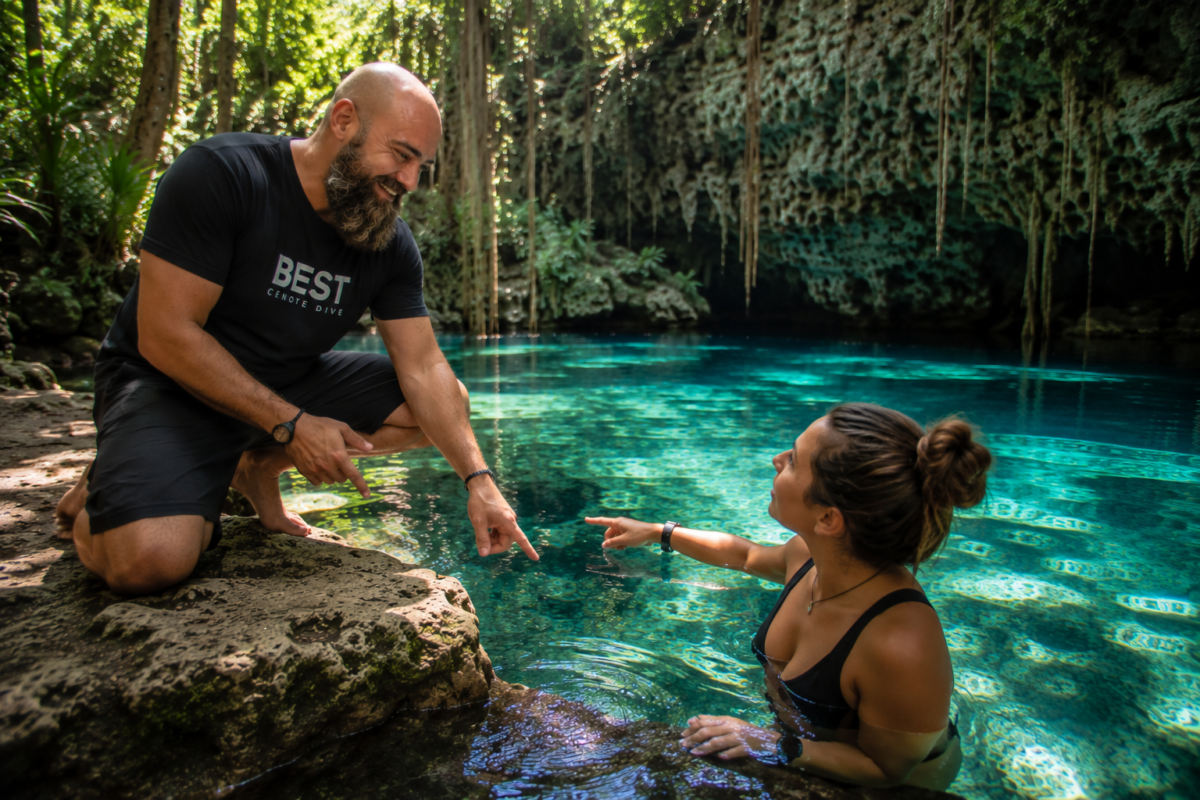
Tulum offers some of the best training conditions in the world.
The cenotes provide:
- Warm water year-round
- Exceptional visibility
- Calm conditions
- No currents
- Stunning underwater scenery
These conditions allow students to focus entirely on developing their skills.
Enjoy your sidemount course at Car Wash, Casa Cenote and Dos Ojos
Progressing Beyond Sidemount
For many divers, sidemount training becomes the first step toward more advanced diving.
Typical progression includes:
Each stage builds upon the skills developed during sidemount training.
Frequently Asked Questions
Is sidemount difficult to learn?
Most divers adapt quickly. While the equipment configuration is different from traditional scuba gear, many students find sidemount more comfortable after only a few dives.
Do I need my own sidemount equipment?
No. Equipment can be provided during training.
Can Open Water divers take a sidemount course?
Yes. Sidemount courses are suitable for certified recreational divers.
Is sidemount only for cave diving?
No. Many recreational divers use sidemount because of the comfort, flexibility, and improved trim it provides.
How long does a sidemount course take?
Most sidemount courses take two to three days, depending on experience level and training goals.
Learn Sidemount Diving in Mexico
Whether your goal is to improve your diving skills, prepare for technical training, or begin your journey into cave diving, sidemount training is one of the most valuable courses a diver can take.
The cenotes of Tulum provide the ideal environment to develop these skills while experiencing some of the most beautiful underwater landscapes in the world.
Ready to get started? Contact Best Cenote Dives to learn more about our sidemount training courses in Tulum, Mexico.