Table of Contents
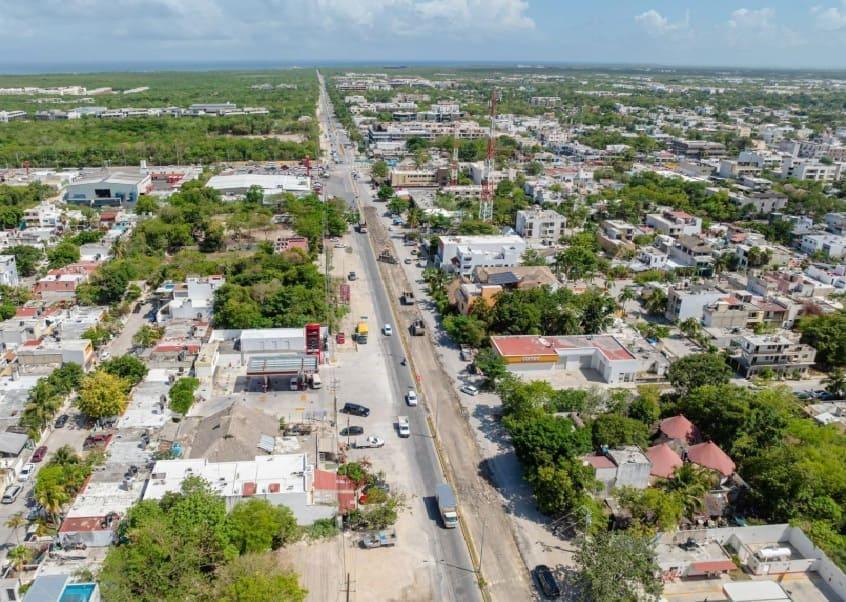
Planning a trip to Tulum, Mexico? Whether you’re visiting for its Caribbean beaches, ancient Mayan ruins, incredible cenotes or world-famous cave diving, a little preparation can make your trip much easier.
Tulum is located on Mexico’s Riviera Maya, approximately 120 kilometres south of Cancún International Airport. With two international airports serving the area, several transport options and accommodation to suit different budgets, getting here is relatively straightforward.
At Best Cenote Dives, we’ve been welcoming divers to Tulum for more than a decade. This guide brings together our local advice on flights, airport transfers, accommodation, restaurants, money and getting around, along with some practical tips for anyone planning a cenote or cave diving holiday.
Flying to Tulum: Cancún Airport or Tulum Airport?
There are two main airports to consider when travelling to Tulum:
- Cancún International Airport (CUN): The larger, more established airport, with extensive international connections.
- Tulum International Airport (TQO): Officially Felipe Carrillo Puerto International Airport, located south-west of Tulum.
Which airport is best depends on where you’re travelling from, available flights, ticket prices and how you plan to reach your accommodation.
Cancún International Airport (CUN)
Cancún remains an excellent choice for most international travellers.
The airport has extensive connections to North America, Europe and Latin America, including direct and connecting flights from major cities.
Travellers from the UK and Europe will often find Cancún particularly convenient, with services from major European hubs and seasonal direct routes from selected airports.
North American visitors have a wide choice of routes, including flights from major cities across the United States and Canada.
Rather than maintaining a complete list of airlines, we recommend checking current routes and availability through:
Our advice: Don’t automatically choose the cheapest flight. Consider arrival time, baggage allowances, connections and the additional journey to Tulum, particularly if you’re travelling with diving equipment.
Tulum International Airport (TQO)
Tulum’s newer international airport is another option, particularly for travellers arriving from Mexico, the United States or Canada.
Airlines and routes change seasonally, so it’s worth comparing Tulum with Cancún before booking.
The airport is situated outside Tulum town, and you’ll still need to arrange transport to your hotel.
You can find airline and destination information at:
Tulum International Airport – Airlines and destinations
Our advice: If you find a convenient flight into Tulum at a comparable price, it can be a good option. However, Cancún frequently offers more choice, especially for travellers arriving from Europe.
How to Get from Cancún Airport to Tulum
Once you’ve landed at Cancún International Airport, there are several ways to reach Tulum.
The road journey generally takes approximately 1.5–2.5 hours, depending on traffic, your arrival terminal and your final destination.
The main options are the ADO bus, a private transfer or a rental car.
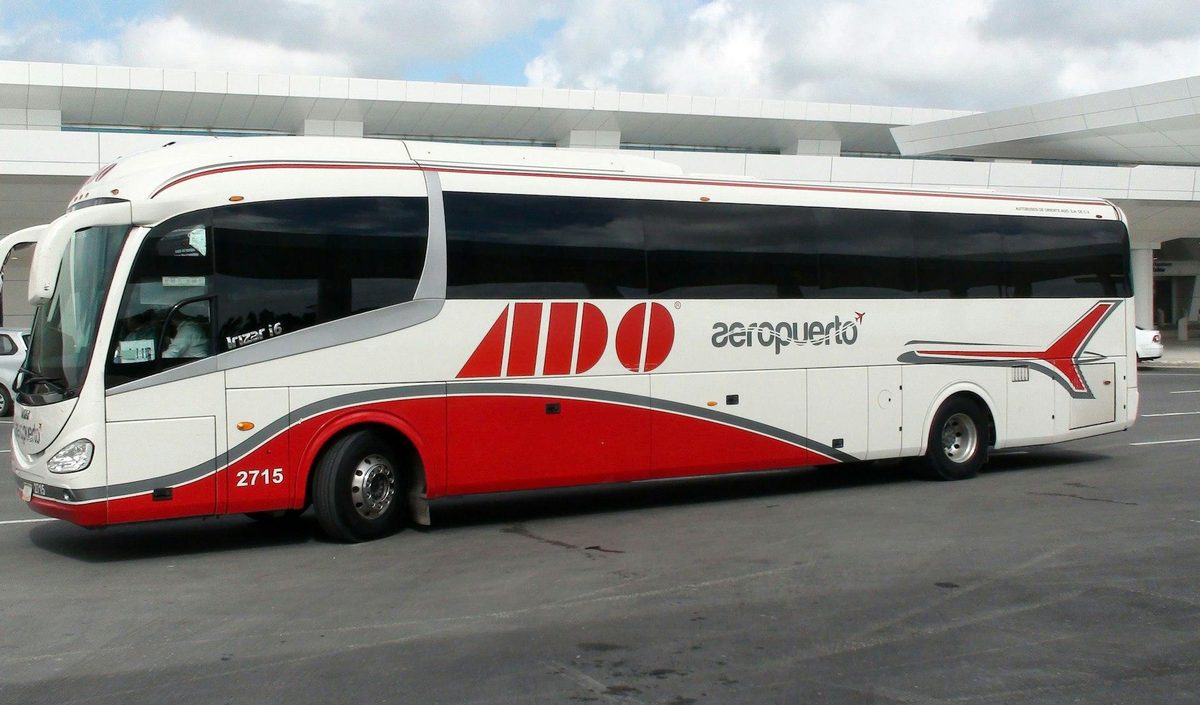
1. ADO Bus – Our Recommended Budget Option
For most independent travellers, the ADO bus is one of the easiest and most economical ways to travel from Cancún Airport to Tulum.
ADO operates modern, air-conditioned coaches with luggage storage.
Depending on your arrival time and the available services, you may be able to travel directly to Tulum or connect through Playa del Carmen.
The main advantages are:
- Affordable fares compared with private transport.
- Comfortable coaches with space for luggage.
- No need to negotiate with airport taxi drivers.
- Arrival at the main ADO bus station in central Tulum.
How to catch the ADO bus
After clearing immigration and collecting your luggage, follow the airport signs for ground transportation and ADO buses.
Look for the official ADO ticket counter or bus departure area. You can normally purchase tickets at the airport, subject to availability, or book online.
Check which terminal your bus departs from and allow enough time for immigration and baggage collection.
The Tulum ADO bus station is on Avenida Tulum, in the town centre. From there, you can walk to some nearby hotels or take a short taxi ride.
Check ADO bus schedules and book tickets
Local tip: If you’re arriving late at night, check the final bus departure before booking your flights. Services and schedules can change.
2. Private Airport Transfers
A private transfer is a convenient alternative, especially if you’re travelling as a couple, family or group, or carrying several bags of diving equipment.
A prearranged driver can meet you at the airport and take you directly to your hotel.
Although more expensive than the bus, the cost becomes more reasonable when shared between several passengers.
Before booking, confirm the total price, luggage capacity, airport meeting instructions and whether any additional charges apply.
We can sometimes suggest local transport contacts, but transfers are arranged independently between travellers and the transport provider.
3. Renting a Car at Cancún Airport
Renting a car gives you the greatest flexibility, particularly if you’re planning to explore the Riviera Maya beyond Tulum.
The drive follows Federal Highway 307 south through the Riviera Maya.
A rental car can be useful for visiting Playa del Carmen, Akumal, Cobá and other destinations.
However, if you’re coming primarily for a diving course or guided cenote dives with Best Cenote Dives, you may not need a rental car at all.
Our guided diving services include transport to the dive sites from our agreed meeting or pickup locations.
Car rental advice:
- Compare the final price, including compulsory insurance and taxes.
- Check the security deposit and credit card requirements.
- Inspect the vehicle and photograph any existing damage before leaving.
- Avoid leaving valuables or diving equipment visible inside the car.
- Allow extra time for traffic and roadworks.
Getting from Tulum International Airport to Tulum Town
Tulum International Airport is located outside the town, so onward transport is necessary.
ADO Airport Bus
ADO provides bus services connecting Tulum Airport with Tulum town.
This is generally a practical and economical option for independent travellers.
Check the latest schedules and fares at ADO, as services may be adjusted to flight arrivals.
Private Transfer or Taxi
Prearranged transfers and authorised airport taxis can take you directly to your accommodation.
Confirm the total fare before travelling, especially if you’re staying outside the town centre.
Rental Cars and the Maya Train
Rental cars are available for travellers who prefer independent transport.
The Maya Train also serves the region, with onward transport connections between airport facilities and railway stations. However, for a straightforward journey to a hotel in Tulum town, the ADO bus or a direct transfer will usually be simpler.
For current train information, visit Tren Maya.
Where to Stay in Tulum

Tulum offers everything from inexpensive guesthouses to luxury beachfront resorts.
However, the best location depends on what you’re planning to do during your holiday.
For visitors coming to Tulum primarily for cenote diving or cave diving, we generally recommend staying in Tulum town or one of the nearby residential neighbourhoods.
These locations are often more practical and affordable than the beach hotel zone.
Tulum Town (Centro)
Tulum town is a great base for diving holidays.
You’ll find restaurants, cafés, supermarkets, pharmacies, ATMs and local transport within easy reach.
Staying in town also makes it easier to organise early morning dive pickups.
La Veleta
La Veleta is a residential neighbourhood just south-west of the town centre, with boutique hotels, apartments, restaurants and cafés.
It’s a good alternative for travellers looking for somewhere slightly removed from the busiest streets.
Some roads remain unpaved, so check the exact location of your accommodation.
Aldea Zama
Aldea Zama is a modern residential area between Tulum town and the beach road.
It offers stylish accommodation, restaurants and a generally quieter environment, although getting around may require a bicycle, taxi or rental car.
Tulum Beach Hotel Zone
The beach zone is famous for its beachfront hotels, restaurants and beach clubs.
It’s a beautiful place to spend time, but accommodation and dining are often considerably more expensive than in town.
Traffic, access restrictions and distances can also make it less convenient for early morning diving departures.
Best Cenote Dives normally arranges pickups in Tulum town rather than the beach hotel zone, so please confirm your location with us before booking accommodation.
Six Recommended Hotels in Tulum
These are six accommodation options worth considering for a diving holiday, ranging from simple, affordable hotels to more comfortable boutique properties.
Some have been recommended by previous Best Cenote Dives customers, while others have been selected for their location and suitability.
We don’t operate an accommodation booking service, and guests book directly with their chosen property.
Hotel Muyu – Budget-Friendly Accommodation
Located in Tulum Centro, Hotel Muyu offers straightforward modern accommodation with a small pool and rooftop terrace.
Its central location makes it a practical choice for travellers who want easy access to restaurants and shops without spending heavily on accommodation.
View Hotel Muyu on Google Maps
Kin Ha Tulum – Traditional, Central Accommodation
Kin Ha is a smaller hotel in central Tulum with a relaxed, traditional atmosphere and a garden courtyard.
It’s a useful option for visitors who prefer somewhere simple and conveniently located rather than a large resort.
View Kin Ha Tulum on Google Maps
XscapeTulum – Garden Hotel with Pool
XscapeTulum offers a more spacious, tropical setting, with gardens and an outdoor swimming pool.
Located close to Tulum town and La Veleta, it’s a convenient option for travellers who want to relax after a day of diving.
View XscapeTulum on Google Maps
Elements Boutique Hotel – Comfortable Town Location
Elements Boutique Hotel is a modern hotel near the northern side of Tulum town, with comfortable rooms and a courtyard pool.
It has also been recommended by returning diving customers.
Its location makes it a practical base for restaurants, supermarkets and diving pickups.
View Elements Boutique Hotel on Google Maps
Hotel Boutique TerraNova – La Veleta
For visitors who prefer to stay in La Veleta, Hotel Boutique TerraNova offers a smaller boutique-hotel atmosphere with a garden and swimming pool.
It’s a good alternative to the busier town-centre hotels.
View Hotel Boutique TerraNova on Google Maps
Una Vida – Premium Boutique Accommodation
Una Vida is a more upmarket boutique hotel with tropical gardens, stylish accommodation and swimming pools.
It’s an appealing choice for couples or travellers looking for a more comfortable retreat while remaining within reach of Tulum town.
Booking tip: Compare current rates, recent guest reviews, cancellation policies and breakfast arrangements before making a reservation. Prices and facilities can vary considerably by season.
Getting Around Tulum
Tulum is spread out, and the best way to get around depends on where you’re staying.
Walking and Cycling
Much of Tulum town is walkable, especially if your accommodation is close to the main avenue.
Bicycles are popular for shorter journeys, although the heat, traffic and road conditions should be considered.
Avoid cycling on poorly lit roads at night, and take particular care on busy routes.
Taxis
Taxis are widely available, but fares are not always metered.
Agree on the price before starting your journey, particularly for trips to the beach zone or more distant neighbourhoods.
Rental Cars
A rental car can be useful if you plan to explore independently.
However, parking, traffic and the condition of some local roads can make driving less convenient than visitors expect.
For a holiday focused mainly on guided diving, staying centrally and using the transport included with your dives is often the simplest arrangement.
Where to Eat in Tulum: Our Local Recommendations
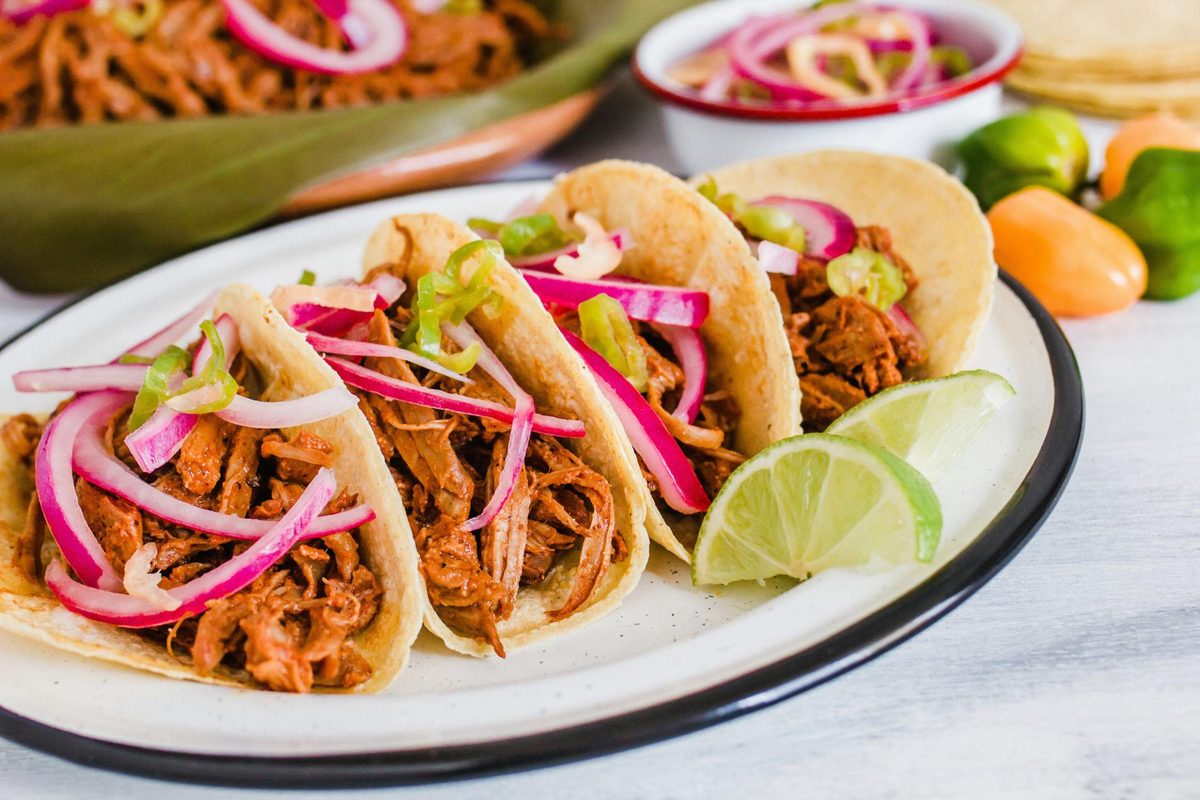
One of the advantages of staying in Tulum town is the variety of restaurants available.
You can find everything from inexpensive traditional tacos to seafood, international restaurants and more elaborate dining experiences.
Here are some places we recommend considering during your stay.
Taquería Honorio – Traditional Yucatán Tacos
A great choice for inexpensive, traditional Mexican food.
Honorio is particularly well known for cochinita pibil, the slow-roasted pork dish associated with the Yucatán Peninsula.
It’s primarily a breakfast and lunchtime destination, so don’t leave your visit until the evening.
Taquería Honorio – Google Maps
La Negra Tomasa – Seafood
La Negra Tomasa is a popular choice for seafood, with Mexican coastal dishes and a lively, informal atmosphere.
A good option when you’re in the mood for fish, shrimp or other seafood after a day of diving.
Negro Huitlacoxe – Mexican Cuisine
For something a little more elaborate, Negro Huitlacoxe offers a creative approach to Mexican cooking.
A good choice for an evening when you want something more distinctive than a casual taco restaurant.
Negro Huitlacoxe – Google Maps
La Braceria Tulum – Steaks and Grilled Food
La Braceria is a good option for grilled meats and a more substantial dinner.
Worth considering after a long day underwater when you’re looking for a hearty meal.
La Braceria Tulum – Google Maps
DelCielo Tulum – Breakfast and Brunch
DelCielo is a popular choice for breakfast, brunch and coffee, with a relaxed café atmosphere.
It’s particularly convenient on a morning when you’re not heading out early for diving.
Batey Mojito & Guarapo Bar – Drinks and Atmosphere
Batey is one of Tulum town’s best-known casual bars, particularly famous for its mojitos made with fresh sugarcane juice.
A lively option for an evening out.
Sole Cantina – Casual Drinks and Sports
Sole Cantina is a relaxed option for drinks, casual food and watching live sports.
It’s a good alternative if you’re looking for somewhere informal rather than a full restaurant experience.
Find Sole Cantina on Google Maps
Food Delivery in Tulum – Tomato.mx
If you’ve spent the day diving and don’t feel like going out, Tulum also has a useful local food delivery service.
Tomato.mx is a Tulum-based delivery platform offering food from a wide selection of local restaurants.
You can order online or through the app, with delivery available across much of Tulum town, La Veleta, Aldea Zama and other neighbourhoods.
It’s particularly useful after a long day of cave diving when you’d rather relax at your hotel.
Money, Cash and ATMs in Tulum
Mexico uses the Mexican peso (MXN).
Although card payments have become increasingly common, we recommend carrying a mixture of cash and cards.
Most supermarkets, larger shops and many restaurants accept credit or debit cards.
However, smaller restaurants, street food vendors, taxis and some local businesses may prefer or require cash.
Some establishments also apply additional charges for card payments, so it’s worth checking before paying.
Withdrawing Cash in Tulum
There are plenty of ATMs in Tulum, but withdrawal fees vary between banks.
In our experience, Santander and Banamex have often offered relatively reasonable withdrawal fees, while some other banks can be considerably more expensive.
Always check the displayed fee before confirming a withdrawal.
Important tip: If an ATM offers to convert the transaction into your home currency, it’s usually better to decline that conversion and allow your own bank or card provider to handle the exchange rate.
This can help avoid unfavourable ATM conversion rates.
Use ATMs inside established banks or secure commercial premises where possible, and check your own bank’s foreign transaction fees.
Weather and the Best Time to Visit Tulum
Tulum has a tropical climate, with warm temperatures throughout the year.
The drier season generally runs from approximately November to April, while May through October tends to be hotter and wetter.
The Atlantic hurricane season officially runs from June to November, although that doesn’t mean severe storms are common throughout the entire period.
Rain showers can be heavy but relatively short, and the weather can vary considerably from day to day.
What About Sargassum?
Sargassum seaweed can affect beaches along the Riviera Maya, particularly during parts of the warmer months.
Conditions vary by location, season and prevailing weather.
Fortunately, cenote diving takes place in inland freshwater systems rather than along the Caribbean coastline, so beach sargassum does not directly affect cenote diving.
However, heavy rainfall and other environmental conditions can sometimes affect individual dive sites.
Planning a Cenote or Cave Diving Holiday in Tulum
Tulum is internationally recognised for its extraordinary freshwater cave systems.
The region offers everything from recreational cavern tours to advanced technical cave diving and specialist training.
If you’re visiting specifically for diving, planning your accommodation and equipment in advance will make your trip much easier.
Choosing Accommodation for Diving
We generally recommend staying in Tulum town or an agreed nearby pickup area.
This makes morning departures more straightforward and avoids unnecessary travel from the beach hotel zone.
If you’re unsure whether your accommodation is convenient, send us the location before booking.
What Diving Equipment Should You Bring?
For recreational cenote diving, you don’t necessarily need to travel with a full set of scuba equipment.
Best Cenote Dives provides specialist equipment as part of its guided diving services and courses, with equipment arrangements confirmed according to the activity.
For a typical diving holiday, consider bringing:
Personal essentials
- Swimwear and a towel.
- Comfortable clothing and footwear.
- Sun protection and a reusable water bottle.
- Any personal medication.
- Your diving certification information.
Optional personal diving equipment
- Your own mask.
- A wetsuit you know fits comfortably.
- Your own fins and boots.
- A dive computer, if you use one.
- Other familiar equipment appropriate to your planned dives.
For technical or cave diving
Equipment requirements depend on your training, certification, configuration and course objectives.
If you’re travelling for sidemount or technical cave training, contact us before packing so we can discuss exactly what you should bring.
There’s no need to carry unnecessary equipment halfway around the world if suitable specialist equipment is already available locally.
Flying with Dive Equipment
If you’re travelling with dive computers, primary lights or backup lights, check your airline’s current battery and dangerous-goods policies.
Lithium battery requirements vary depending on battery capacity, configuration and airline rules.
Spare lithium batteries generally need to travel in carry-on baggage with their terminals protected, subject to airline restrictions.
Always confirm the requirements for your particular equipment before travelling.
Allow Enough Time for Your Diving Holiday
For multi-day cave diving courses, we recommend arriving in Tulum at least the day before your training begins.
This gives you time to settle into your accommodation, recover from travelling, organise equipment and prepare for the first day.
If you’re flying after diving, remember to allow an appropriate surface interval before your flight. Follow your dive computer, training guidance and the applicable flying-after-diving recommendations.
Dive with Best Cenote Dives
Best Cenote Dives specialises in private cenote diving, cavern diving and technical cave diving training in the Tulum region.
We focus on small groups, individual attention and carefully planned diving experiences rather than high-volume tours.
Whether you’re visiting for a couple of recreational cenote dives or a longer cave diving course, we’re happy to help you plan the diving side of your holiday.
Explore our cenote diving experiences and cave diving training, or contact us to discuss your plans.
Frequently Asked Questions About Travelling to Tulum
Is it better to fly into Cancún or Tulum Airport?
Both airports are suitable. Cancún generally offers more international flight choices, while Tulum Airport can be convenient if a suitable direct or connecting flight is available. Compare the total journey cost and travel time before booking.
How do I get from Cancún Airport to Tulum?
You can take an ADO bus, arrange a private transfer or rent a car. The ADO bus is usually the most economical option for independent travellers, while a private transfer offers direct transport to your accommodation.
How long does it take to travel from Cancún Airport to Tulum?
The drive generally takes around 1.5–2.5 hours, depending on traffic and your destination. Bus journeys can take longer, particularly if a connection is required.
Do I need to rent a car in Tulum?
Not necessarily. If you’re staying in town and joining organised cenote diving tours, a rental car may be unnecessary. It becomes more useful if you’re planning independent day trips or staying farther from the centre.
Where is the best place to stay in Tulum for cenote diving?
We generally recommend Tulum town, with selected accommodation in La Veleta and nearby neighbourhoods also being convenient. Confirm your pickup location with your dive operator before booking.
Is Tulum expensive?
Tulum can be expensive, particularly around the beachfront hotels and restaurants. However, staying in town, eating at local restaurants and using public transport can make a substantial difference to your holiday budget.
Can I pay by card in Tulum?
Cards are widely accepted in many hotels, supermarkets and restaurants, but cash remains useful for smaller businesses, street food and local transport.
Can beginners go cenote diving in Tulum?
Many guided cavern diving experiences are suitable for appropriately certified recreational divers, subject to the dive site’s conditions and the diver’s experience and ability. Full cave diving requires specialist training and equipment.
Is cenote diving possible all year?
Yes, cenote diving is generally available throughout the year, although individual dive sites and conditions can be affected by weather and environmental factors.
Final Advice: Enjoy Your Time in Tulum
Tulum is much more than a beach destination.
Its combination of Mayan history, tropical scenery, restaurants, freshwater cenotes and extraordinary underwater cave systems makes it a unique place to visit.
Our advice is to keep your travel arrangements simple: choose a convenient airport, arrange your transfer in advance, stay somewhere practical and leave yourself time to enjoy the area.
If you’re visiting for diving, we’re happy to advise on the diving arrangements and whether your chosen accommodation is convenient for our pickup locations.
Best Cenote Dives – Private Cenote Diving and Cave Diving Training in Tulum, Mexico.
Travel information and recommendations are provided as general guidance. Flights, transport services, accommodation, restaurants, prices and availability can change. All third-party bookings are made directly with the relevant providers, and travellers are responsible for checking current arrangements and suitability. Best Cenote Dives does not operate as a travel agency or accept responsibility for third-party services.