Cenote

Scuba Diving in Casa Cenote – A Beautiful Dive Like No Other

Scuba Diving in Casa Cenote – A Beautiful Dive Like No Other

A Unique Cenote Diving Experience

The first time we dived Casa Cenote, we were completely blown away. It wasn’t just another cenote dive—it felt like something entirely different. Crystal-clear waters, mangrove roots reaching into the depths, and the surreal experience of diving between freshwater and saltwater layers created something magical.

Even after years of guiding dives here, we’re still never bored. Why? Because Casa Cenote is constantly changing—every dive is different.

If you’re looking for a fun, easy, and visually stunning cenote dive, this is the perfect place to start. Whether you’re a beginner or a seasoned diver, Casa Cenote has something extraordinary to offer.

How Deep Is Casa Cenote?

Casa Cenote is one of the shallowest cenotes in the Tulum area, making it ideal for beginner divers, snorkellers and underwater photographers.

The maximum depth is approximately 8 metres (25 feet), although most dives are considerably shallower.

Because of its shallow depth, divers can enjoy long bottom times while exploring the mangrove roots, halocline and cavern areas.


Is Casa Cenote Suitable for Beginners?

Yes. Casa Cenote is one of the best cenotes in Mexico for beginner divers.

The shallow depth, calm conditions and excellent visibility make it ideal for Open Water divers and Discover Scuba Diving experiences.

More experienced divers also enjoy the cavern section and unique halocline effects.

What Makes Casa Cenote Special?

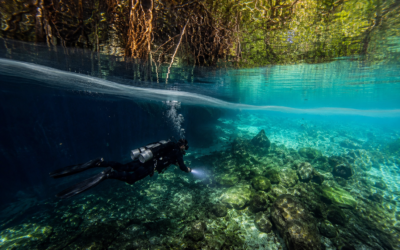
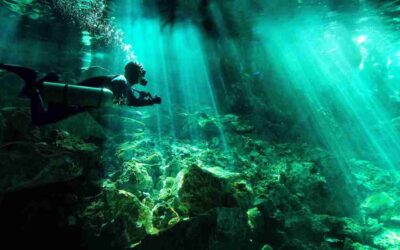
Diver exploring the mangrove roots and crystal-clear waters of Casa Cenote in Tulum, Mexico.
A diver glides beneath the mangrove roots of Casa Cenote, one of the most unique underwater environments in the Riviera Maya.

Casa Cenote is unlike any other cenote in Mexico. Instead of a deep cavern or cave, it’s an open, winding waterway that connects directly to the ocean. This means you get:

A mix of fresh and saltwater – creating stunning halocline effects.
Incredible visibility – the sunlight beams through the mangroves, making it a photographer’s dream.
Rich marine life – fish, crabs, and other unique aquatic species.
Easy and safe diving – ideal for beginners, but with hidden caverns for more experienced divers.

It is similar to the beautiful wildlifewe see at Casa Cenote

Wildlife at Casa Cenote

Sea turtle swimming through the crystal-clear waters of Casa Cenote with a diver in the background.
Sea turtles and tropical fish are among the many wildlife encounters that make Casa Cenote such a memorable dive.

Casa Cenote is famous for its wildlife.

Divers regularly encounter:

  • Freshwater turtles
  • Schools of tropical fish
  • Tarpon
  • Crabs
  • Mangrove ecosystems

The mix of fresh and saltwater creates an environment unlike any other cenote in the Riviera Maya.

Is There a Crocodile in Casa Cenote?

Yes. Casa Cenote is home to a resident American crocodile often known locally as Panchito.

Although sightings are never guaranteed, the crocodile has lived in the area for many years and is accustomed to human activity.

Guides follow local safety recommendations and encounters are typically from a respectful distance.


Halocline – A River Within a River

One of the coolest effects you’ll see at Casa Cenote is the halocline, where freshwater and saltwater meet but don’t fully mix.

It looks like a second surface underwater – like diving through a mirage.
The water distorts and bends light, creating a mind-blowing visual effect.
When we swim through it, the layers mix, creating a blurry, dream-like scene.

This phenomenon is only found in a few places in the world—and Casa Cenote is one of the best places to experience it.

Read more about the amazing Halocline here


The Cavern Zone – Where the Jungle Meets the Water

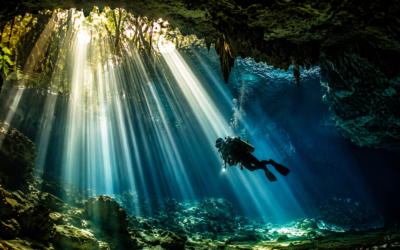
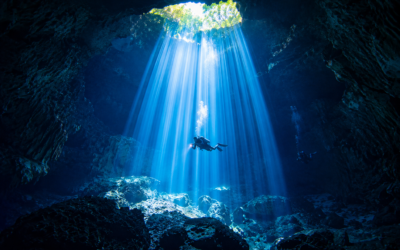
Diver exploring the cavern zone of Casa Cenote beneath dramatic light rays and mangrove roots.
A diver explores the breathtaking cavern section of Casa Cenote, where sunlight streams through the jungle canopy above.

Casa Cenote has an incredible cavern zone, perfect for divers who want a gentle introduction to overhead environments.

The cavern runs alongside the open water, so there’s always an easy way out.
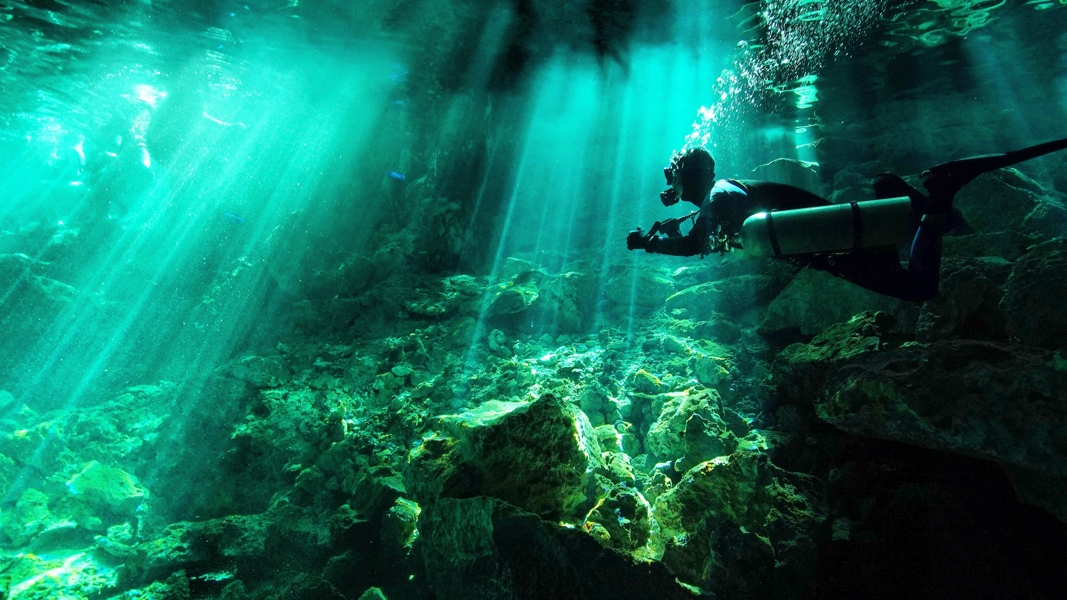
Looking out from the cavern, the mangrove roots frame the sunlight, creating one of the most breathtaking underwater scenes.
Sunlight, shadows, and dancing bubbles from photosynthesis make for an unreal light show.

If you’ve never dived in a cavern before, this is the perfect place to start. And if you already love cavern diving, you’ll still be mesmerized by the colors, formations, and the way nature blends perfectly here.


Why Dive at Casa Cenote?

Shallow & easy – Max depth of 8m (25ft), perfect for all levels.
Incredible visibility – Thanks to the mix of fresh and saltwater.
Surreal light effects – Created by the mangrove roots and halocline layers.
Abundant marine life – Fish, crabs, and other unique aquatic species.
Perfect for first-time cenote divers – An easy intro to cavern diving.


Casa Cenote Diving Tours

Never dived before? 👉 Try Discover Scuba Diving – No certification needed!

Certified diver? 👉 Book a Cenote Diving Tour – Dive Casa Cenote & Car Wash.


Frequently Asked Questions About Casa Cenote

How deep is Casa Cenote?

Casa Cenote is relatively shallow, with a maximum depth of approximately 8 metres (25 feet). Most dives are conducted in shallower water, making it suitable for divers of all experience levels.

Is Casa Cenote good for beginner divers?

Yes. Casa Cenote is one of the best cenotes in Tulum for beginner divers. Its shallow depth, calm conditions, excellent visibility, and easy access make it ideal for Open Water divers and Discover Scuba Diving experiences.

Can snorkellers visit Casa Cenote?

Absolutely. The clear water, mangrove channels, fish life, and shallow depth make Casa Cenote one of the most popular snorkelling locations in the Riviera Maya.

Is there a crocodile in Casa Cenote?

Yes. Casa Cenote is home to a resident American crocodile often known locally as Panchito. Sightings are occasional, and guides follow local safety recommendations. The crocodile is accustomed to human activity and is usually observed from a respectful distance.

What makes Casa Cenote different from other cenotes?

Unlike most cenotes around Tulum, Casa Cenote connects directly to the Caribbean Sea through a mangrove-lined waterway. This creates a unique mix of freshwater and saltwater, producing stunning halocline effects and diverse marine life.

What is the best time to dive Casa Cenote?

Casa Cenote can be dived year-round. Morning dives often offer the calmest conditions, while changing sunlight throughout the day creates different underwater lighting effects.

Can certified cave divers explore beyond the cavern?

Yes. Certified cave divers can explore sections of the extensive cave system connected to Casa Cenote. Guided cave diving is available for suitably qualified divers.

Final Thoughts – Why You’ll Love Casa Cenote

Every dive at Casa Cenote is different—the changing tides, halocline effects, shifting light, and unique marine life make this a one-of-a-kind dive.

It’s a place where freshwater and saltwater meet, where the jungle and underwater world blend perfectly, and where you’ll experience something truly unique.

Ready to dive in?

👉 Book Your Casa Cenote Dive Now

Car Wash Cenote Mexico | Diving the Famous Wall of Light

Car Wash Cenote Mexico | Diving the Famous Wall of Light

What is Car Wash Cenote?

Car Wash Cenote, known locally by its Maya name Aktun Ha, is one of the most beautiful and accessible cenotes near Tulum, Mexico. Famous for its crystal-clear water, vibrant aquatic life, dramatic cavern zone, and the spectacular “Wall of Light” effect, it offers an unforgettable experience for divers, snorkelers, and photographers alike.

Located just a few minutes from Tulum, Car Wash Cenote is suitable for a wide range of experience levels. Open water divers can enjoy the shallow freshwater environment, while cavern and cave divers can explore the extensive underwater cave system hidden beneath the jungle.

Unlike many cenotes that feel enclosed and dark, Car Wash combines lush vegetation, lily pads, fish life, and stunning sunlight effects to create one of the most photogenic dives in the Riviera Maya.

Learn more about the geology of cenotes


Why Dive at Car Wash Cenote?

Car Wash Cenote offers a unique combination of open-water beauty and cavern exploration.

Visit the official Tulum tourism guide

The Famous Wall of Light

One of the biggest attractions is the incredible “Wall of Light.” At certain times of the day, sunlight penetrates the water and creates powerful beams that illuminate the cavern entrance.

The effect changes throughout the year depending on the sun’s angle, meaning every dive offers a slightly different experience.

Perfect for Beginners

The shallow open-water section makes Car Wash Cenote an excellent introduction to cenote diving. Divers can enjoy the clear freshwater, aquatic plants, and abundant fish life before venturing into the cavern zone.

Excellent Cavern Diving

The cavern route features beautiful limestone formations, large overhangs, and dramatic light contrasts. Even deep inside the cavern, the entrance often remains visible, creating an ideal environment for first-time cenote divers.

Rich Aquatic Life

Freshwater turtle swimming beneath lily pads at Car Wash Cenote near Tulum Mexico
A freshwater turtle glides beneath the lily pads of Car Wash Cenote, one of Tulum’s most beautiful freshwater diving environments.

Unlike many cenotes, Car Wash is full of life. Divers regularly encounter:

  • Freshwater turtles
  • Cichlid fish
  • Catfish
  • Aquatic plants
  • Lily pads

This combination of wildlife and cave scenery makes the site unique among Tulum cenotes.


The Open Water Zone

Before entering the cavern, divers pass through a stunning open-water area.

The surface is often covered with vibrant green lily pads, creating a jungle oasis atmosphere. Beneath the surface, schools of freshwater fish move through the vegetation while turtles occasionally glide past.

This section is shallow, calm, and ideal for buoyancy practice, photography, and first-time cenote divers becoming comfortable in the environment.


The Cavern Zone

Diver exploring the cavern zone at Car Wash Cenote near Tulum Mexico
A diver explores the spectacular cavern zone of Car Wash Cenote, surrounded by crystal-clear water, limestone formations, and dramatic beams of sunlight.

The cavern section is where the magic truly begins.

As cenote divers move beneath the limestone ceiling, dramatic beams of sunlight pierce through the water, creating the famous Wall of Light. The contrast between bright blue water and dark cavern walls produces some of the most spectacular underwater scenery in the Riviera Maya.

Inside the cavern, divers can explore:

  • Massive limestone overhangs
  • Intricate rock formations
  • Crystal-clear visibility
  • Sunlight effects
  • Large cavern chambers

Because the cavern remains within the daylight zone, it provides a safe and comfortable introduction to overhead environment diving.


Sidemount and Cavern Training

Car Wash Cenote is one of the best training locations in the Tulum area.

Its combination of shallow open water and spacious cavern passages makes it ideal for:

  • Buoyancy training
  • Sidemount courses
  • Cavern diver courses
  • Introductory cave skills
  • Underwater photography practice

The site allows divers to develop confidence and precision before progressing to more challenging cenotes such as Dreamgate or full cave systems.

Interested in a Sidemount or Cavern Course? Learn more here.


Best Time to Dive Car Wash Cenote

Although Car Wash can be dived throughout the year, conditions are often at their best during late morning and early afternoon.

This is when sunlight enters the cavern at the optimal angle, creating the strongest Wall of Light effect.

Visibility is generally excellent year-round, often exceeding 30 metres.

For photographers, sunny days offer the most dramatic light beams and colour contrast.


Cave Diving at Car Wash Cenote

Cave diver exploring the Car Wash Cenote cave system near Tulum Mexico
Beyond the cavern zone, certified cave divers can explore the extensive cave system connected to Car Wash Cenote in Tulum, Mexico.

Beyond the cavern zone lies an extensive cave system accessible only to certified cave divers.

The cave passages extend beneath the jungle and connect to other sections of the Sac Actun cave network. Here, cave divers encounter:

  • Large tunnels
  • Ancient limestone formations
  • Air domes
  • Haloclines
  • Exceptional visibility

These routes should only be explored with appropriate cave diving certification and equipment.


Is Car Wash Cenote Suitable for Beginners?

Yes.

Car Wash Cenote is often considered one of the best cenotes near Tulum for divers making their first cenote dive.

The combination of:

  • Shallow water
  • Excellent visibility
  • Large cavern spaces
  • Visible exits
  • Minimal current

creates a comfortable environment while still delivering the dramatic scenery cenote diving is famous for.

Open Water certified divers can enjoy the cavern route when accompanied by a qualified cenote guide.

Explore the Riviera Maya region


How to Dive Car Wash Cenote

At Best Cenote Dives, Car Wash Cenote is commonly combined with other world-class dive sites including:

  • Casa Cenote
  • Angelita
  • Dreamgate
  • Dos Ojos
  • The Pit

All guided dives include transportation from Tulum town, equipment, cenote entrance fees, and professional guiding.

Tto experience this light show for yourself? Book a dive at Car Wash Cenote.


Frequently Asked Questions

Where is Car Wash Cenote?

Car Wash Cenote is located just west of Tulum on the road to Coba in Quintana Roo, Mexico.

Why is it called Car Wash Cenote?

Before becoming a dive site, local taxi drivers reportedly used the cenote to wash their vehicles, giving rise to the nickname “Car Wash.”

Can beginners dive Car Wash Cenote?

Yes. Open Water certified divers can safely enjoy the cavern route with a qualified guide.

What is the Wall of Light?

The Wall of Light is a spectacular natural phenomenon created when sunlight enters the cavern and forms powerful beams of light underwater.

Is Car Wash Cenote good for photography?

Absolutely. The combination of sunlight, clear water, aquatic plants, and cavern scenery makes it one of the most photogenic cenotes in the Riviera Maya.

Dreamgate Cenote Diving Guide: Tulum’s Most Beautiful Cavern Dive

Dreamgate Cenote Diving Guide: Tulum’s Most Beautiful Cavern Dive

Introduction

Dreamgate Cenote is widely regarded as one of the most beautiful cavern dives in the Yucatán Peninsula. Located near Tulum, this extraordinary dive site is famous for its crystal-clear water, delicate limestone formations, and intricate underwater passages.

Unlike larger and more open cenotes such as Dos Ojos, Dreamgate offers a more intimate cavern diving experience where divers can explore some of the finest stalactites, stalagmites, and columns found anywhere in the Yucatan peninsula of Mexico.

For many experienced cenote divers, Dreamgate is a must-see dive. However, it is also worth comparing with nearby sites such as Nahoch, The Pit, Angelita, and Dos Ojos, each of which offers a very different underwater cenote diving experience.


What Is Dreamgate Cenote?

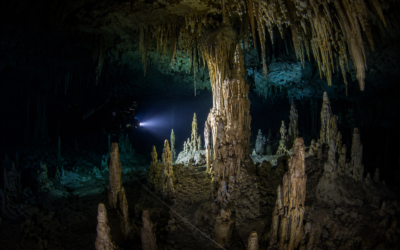
Cave diver exploring a narrow passage inside Dreamgate Cenote near Tulum, surrounded by stalactites and limestone formations
Dreamgate Cenote offers some of the most spectacular cavern diving passages in the Riviera Maya.

Dreamgate is a cavern diving site located within the Sac Actun cave system near Tulum, Mexico. The cenote consists of several interconnected passages filled with pristine freshwater and decorated with extraordinary cave formations.

Unlike open cenotes, Dreamgate is primarily known for what lies beneath the surface. The dive route winds through spectacular chambers, narrow passages, and rooms filled with formations that have been growing for thousands of years.

The visibility is often exceptional, and the relatively shallow depth allows divers to spend more time appreciating the intricate details of the cave environment.


What Makes Dreamgate Special?

Many cenotes offer clear water and beautiful scenery, but Dreamgate stands apart because of the sheer density of formations.

Divers can expect to see:

  • Stalactites hanging from the ceiling
  • Stalagmites rising from the floor
  • Massive limestone columns
  • Flowstone formations
  • Delicate cave decorations
  • Crystal-clear freshwater

The level of preservation is remarkable, making Dreamgate one of the finest cavern dives in the Riviera Maya.

For underwater photographers, Dreamgate provides endless opportunities to capture formations rarely seen in other cenotes.


Cave Formations and Visibility

The cave formations inside Dreamgate were created during the last Ice Age when sea levels were much lower and the caves were dry.

Over thousands of years, mineral-rich water slowly deposited calcium carbonate, creating the stalactites and stalagmites visible today.

When sea levels rose, the cave systems flooded, preserving these ancient formations beneath crystal-clear freshwater.

Visibility regularly exceeds 50 metres and can often appear almost limitless. Combined with the dramatic formations, this creates a truly otherworldly diving experience.


Who Can Dive Dreamgate?

Dreamgate is generally suitable for certified Open Water divers who are comfortable in overhead environments and have good buoyancy control.

Because of the delicate nature of the formations, divers should be confident in maintaining position in the water and avoiding contact with the cave environment.

A qualified cavern guide is essential, both for safety and to help divers appreciate the geological and historical significance of the site.

Cave diver exploring massive formations inside Dreamgate Cenote near Tulum Mexico

Water Temperature and Conditions

Dreamgate offers stable diving conditions throughout the year.

Typical conditions include:

  • Water temperature: 24–26°C (75–78°F)
  • Visibility: Often 50 metres or more
  • Current: Minimal
  • Depth: Generally shallow to moderate
  • Difficulty: Moderate

A 5mm wetsuit is usually sufficient for most divers.


Dreamgate vs Dos Ojos

Both Dreamgate and Dos Ojos are world-famous cavern dives, but they offer very different experiences.

Dos Ojos is often recommended for first-time cenote divers because of its spacious caverns, dramatic light effects, and easy navigation.

Dreamgate is more focused on cave formations and intricate passageways. Divers who have already experienced Dos Ojos often choose Dreamgate as their next step into the world of cenote diving.


Dreamgate vs The Pit

The Pit is famous for its dramatic light beams, deep sinkhole environment, and halocline.

Dreamgate, by contrast, is shallower and places far greater emphasis on formations and cavern scenery.

Many divers choose to combine both sites over multiple days in order to experience two completely different styles of cenote diving.


Dreamgate vs Angelita

Angelita is renowned for its famous hydrogen sulfide cloud, which creates the illusion of an underwater river.

Dreamgate offers a very different experience. Instead of dramatic depth and visual effects, the attraction lies in the extraordinary cave formations and intimate cavern passages.

Together they provide two of the most unique dives available in the Yucatán Peninsula.


Dreamgate vs Nahoch: Which Is Better?

Dreamgate Cenote Cavern Reflections
The calm water and stunning formations make Dreamgate one of the most photogenic cenote dives in Mexico.

For many years, Dreamgate was considered the most beautiful cavern dive in the region.

Today, many local guides and experienced divers place Nahoch alongside Dreamgate as one of the finest cavern dives in the Tulum area.

Dreamgate is known for its dense concentration of formations and dramatic passages.

Nahoch offers a longer and more varied route with equally impressive formations and a different style of cavern diving.

The truth is that choosing between them is difficult. Many divers now consider Nahoch and Dreamgate to be the two best cavern dives in the region.

For visitors spending several days diving cenotes, experiencing both sites is highly recommended.

Learn more about cenote diving in Tulum


Planning a Multi-Day Cenote Diving Trip

Dreamgate is often combined with other world-class cenotes near Tulum.

Popular combinations include:

  • Dreamgate and Nahoch
  • Dreamgate and Dos Ojos
  • Dreamgate and The Pit
  • Angelita and Car Wash
  • Multi-day cenote diving itineraries

Exploring a variety of cenotes allows divers to experience light beams, haloclines, hydrogen sulfide clouds, cave formations, and some of the most beautiful underwater landscapes found anywhere in the world.

Book your Cenote Diving Experience here


Frequently Asked Questions

Where is Dreamgate Cenote?

Dreamgate is located near Tulum within the Sac Actun cave system of the Riviera Maya

Is Dreamgate suitable for beginner divers?

Dreamgate is suitable for certified Open Water divers with good buoyancy control and a comfortable attitude toward overhead environments.

How deep is Dreamgate?

The dive remains relatively shallow, allowing divers to spend extended time exploring the cavern system.

What makes Dreamgate special?

Dreamgate is famous for its extraordinary concentration of stalactites, stalagmites, columns, and other delicate cave formations.

Which is better: Dreamgate or Nahoch?

Both are exceptional. Dreamgate is known for dense formations and dramatic scenery, while Nahoch offers a longer and more varied cavern experience.

Can I combine Dreamgate with other cenotes?

Yes. Dreamgate is frequently combined with Dos Ojos, The Pit, Angelita, Car Wash, and Nahoch as part of a multi-day cenote diving itinerary.


Final Thoughts

Dreamgate Cenote remains one of the most beautiful cavern dives in Mexico. Its crystal-clear water, stunning cave formations, and intimate underwater passages create a diving experience unlike any other.

Whether you’re exploring cenotes for the first time or you’re an experienced diver looking for the finest cavern dives in the Yucatán Peninsula, Dreamgate deserves a place on your diving itinerary.

For those seeking the ultimate cenote experience, combining Dreamgate with Nahoch, Dos Ojos, The Pit, and Angelita provides an unforgettable journey through the extraordinary underwater world hidden beneath Tulum.

Dos Ojos Cenote – A Must Dive Cenote in Tulum

Dos Ojos Cenote – A Must Dive Cenote in Tulum

Dos Ojos Cenote is one of the most famous cenote diving destinations in Mexico, known for crystal-clear water, the Barbie Line, the Bat Cave, and incredible cavern diving near Tulum.

What is Dos Ojos Cenote?

Cenote Dos Ojos (Spanish for “Two Eyes”) is one of the most famous cenotes in the Yucatán Peninsula. It consists of two cenotes connected by an extensive cave system, offering some of the best cavern diving experiences in Mexico.

Originally known as Sistema Dos Ojos, Dos Ojos is now part of the Sistema Sac Actun, which, at over 378 km (235 miles), is one of the longest underwater cave systems in the world.

Why Is It Called Dos Ojos Cenote?

Dos Ojos means “Two Eyes” in Spanish. The cenote gets its name from the two circular sinkholes that sit side by side and resemble a pair of eyes when viewed from above.

Today, Dos Ojos is part of the larger Sistema Sac Actun cave network, one of the longest underwater cave systems in the world.


Where is Dos Ojos Cenote?

Dos Ojos Distance From Tulum

Dos Ojos Cenote is located approximately 22 km (14 miles) north of Tulum and around 50 km (31 miles) south of Playa del Carmen along Highway 307.

Most visitors can reach Dos Ojos in:

  • 20 minutes from Tulum
  • 40 minutes from Playa del Carmen
  • 90 minutes from Cancun Airport

The entrance road is well signposted and suitable for all vehicles.


How Big is the Dos Ojos Cenote Cave System?

The Dos Ojos Cenote cave system was once mapped as its own separate system, In 2018, explorers confirmed a connection between Dos Ojos and the Sac Actun system, creating one of the world’s largest flooded cave networks.

Read more in National Geographic’s report on the discovery of the Sac Actun cave system.

Total surveyed length: 378 km (235 miles)
Connected to over 100 cenotes
Includes famous sites like The Pit

This connection makes Dos Ojos not just a cenote—it’s a gateway to a vast underground world.


Why Dive in Dos Ojos Cenote?

For open water divers, Cenote Dos Ojos is the perfect introduction to cavern diving. The dives are:

Shallow (max 10m/33ft)
Crystal clear with over 100m visibility
Well-lit, making it great for first-time cavern divers
Safe, with permanent guidelines and large spaces

The two main dive routes here are the Barbie Line and the Bat Cave, each offering something completely different.


What Can You See at Dos Ojos Cenote?

🌞 Sunlight Beams – Light floods the cenote, creating an unreal atmosphere.
🪨 Massive Rock Formations – Huge stalactites and stalagmites that took thousands of years to form.
🐠 Fossils & Hidden Passages – Ancient marine fossils embedded in the limestone.
🏛️ Spacious Caverns – Wide, open tunnels perfect for a relaxed, scenic dive.


Dos Ojos Cenote Diving Routes

Dive One – The Barbie Line

Best for beginners
Lots of light and open spaces
Big rock formations and giant tunnels

This 45-minute dive starts with a swim-through between the two cenotes, following a large open tunnel where sunlight filters through from both sides. In the center, massive rock columns rise from the floor, giving the impression that they’re holding up the cave ceiling.

The dive stays within the cavern zone, meaning you’ll always be able to see natural light. You’ll swim past huge stalactites, stalagmites, and ancient fossils, with incredible visibility.

At the halfway point, you’ll spot the famous Barbie Doll, an unusual marker that gives the dive its name. From here, the route loops back slightly deeper and darker, making for a fun, varied experience.


Dive Two – The Famous Bat Cave Dive

More enclosed & atmospheric
Darker, with stunning formations
Floating air pockets where bats live

The Bat Cave route is one of the most famous dives in Dos Ojos. Divers pass through spectacular stalactite formations before surfacing inside an air chamber where bats can often be seen resting above the water.

The dive combines dramatic cave formations, natural light zones, and one of the most unique cavern experiences in the Riviera Maya.

1️⃣ The Big Columns & Open Water Area – A quick pass through the first cenote, where light pours into the tunnels.
2️⃣ The Bat Cave Chamber – A spectacular enclosed cave, where you’ll surface inside an air pocket filled with bats. Many snorkelers paddle here, but only divers get to see the full formations beneath the surface.
3️⃣ The Green Room – A dark, eerie chamber lit only by a faint green glow from lily pads above. This is where you’ll see some of the best stalactite formations in Dos Ojos.

While not as bright as the Barbie Line, the Bat Cave dive is a favorite among divers, thanks to its incredible formations and mysterious, atmospheric feel.


When Was Dos Ojos Cenote Discovered?

First explored by cave divers in the 1980s
Connected to over 100 cenotes
In 1996, explorers discovered The Pit, reaching depths of 119m (390ft)

But of course, the Maya civilization knew of these cenotes long before modern explorers arrived. These waters have been a source of life, ritual, and mystery for thousands of years.


Can Anyone Dive at Dos Ojos Cenote?

Yes! If you have a PADI Open Water certification (or equivalent), you can dive in the cavern zone of Dos Ojos.

📌 No cave diving certification is required—these are guided cavern dives.
📌 Max depth: 10m (33ft)
📌 Required certification: Open Water (any agency)

If you want to dive deeper into the system, technical cave diving training is required.

Divers who enjoy Dos Ojos often go on to explore The Pit Cenote and Cenote Angelita.


Dos Ojos Cenote FAQ

How do I book a dive at Dos Ojos Cenote?

How far is Dos Ojos from Tulum?

Dos Ojos Cenote is approximately 22 km north of Tulum and takes around 20 minutes to reach by car.

Can you snorkel at Dos Ojos?

Yes. Dos Ojos is one of the best snorkeling cenotes in Mexico thanks to its crystal-clear water, visibility, and impressive cave formations.

What is Sistema Dos Ojos?

Sistema Dos Ojos was originally mapped as its own cave system before being connected to Sistema Sac Actun, one of the largest underwater cave systems in the world.

Is Dos Ojos suitable for beginner divers?

Yes. The Barbie Line is considered one of the best cavern dives for beginner cenote divers because of its shallow depth, permanent guideline, and abundant natural light.

Which dive is better: Barbie Line or Bat Cave?

Both are excellent. The Barbie Line offers more natural light and open spaces, while the Bat Cave provides a darker and more adventurous cavern experience.

Can I snorkel in Dos Ojos?

Yes! The shallow sections of Dos Ojos are perfect for snorkeling, with crystal-clear water and rock formations visible from the surface.

What’s the water temperature in Dos Ojos?

25°C / 77°F year-round. A 3mm wetsuit is recommended.

How long does each dive last?

40–45 minutes per dive, with a surface interval between dives.

Is Dos Ojos good for beginner divers?

Absolutely. The Barbie Line is one of the best cenote dives for beginners due to its large spaces and bright natural light.


Final Thoughts – Why Dive Dos Ojos?

Cenote Dos Ojos isn’t just one of the most famous cenotes in Mexico—it’s an unforgettable diving experience. Whether you’re a first-time cenote diver or a seasoned explorer, the Barbie Line and Bat Cave dives offer two completely unique experiences in one place.

Unreal visibility
Sunlight beams & rock formations
Shallow, safe, and great for all levels

👉 Book Your Dive at Cenote Dos Ojos Today

The Pit Cenote Mexico – Complete Diving Guide

The Pit Cenote Mexico – Complete Diving Guide

The Pit Cenote is one of the most spectacular cenote dives in Mexico and is widely regarded as one of the most visually stunning freshwater dives in the world.

Located between Tulum and Playa del Carmen on Mexico’s Riviera Maya, The Pit is famous for its incredible light beams, crystal-clear water, dramatic halocline, hydrogen sulfide cloud, and immense depth.

Unlike many cenotes, The Pit is a huge vertical sinkhole that descends into darkness, creating an underwater landscape unlike anywhere else on Earth.

For many divers, The Pit is the highlight of their entire trip to Mexico.

Scuba diver exploring The Pit Cenote beneath dramatic light beams and ancient stalactites near Tulum Mexico.

What Is The Pit Cenote?

The Pit is an open cenote connected to the vast underground cave systems of the Yucatán Peninsula.

From the surface it appears relatively small, but beneath the water lies an enormous chamber extending to depths of approximately 119 meters (390 feet).

The combination of depth, visibility, geological formations, and unique light effects has made The Pit one of the most photographed cenote dives in the world.

Divers descend through crystal-clear freshwater before reaching a dramatic halocline and the famous hydrogen sulfide cloud that appears to float through the middle of the cenote like an underwater river of mist.


Where Is The Pit Cenote?

The Pit Cenote is located inside the Dos Ojos park area between Tulum and Playa del Carmen.

Travel Times:

  • Approximately 20 minutes from Tulum
  • Approximately 40 minutes from Playa del Carmen
  • Approximately 90 minutes from Cancun Airport

The entrance is reached via Highway 307 and a short jungle road leading into the cenote park.

Scuba diver swimming beneath dramatic light rays inside The Pit Cenote near Tulum Mexico.
A diver explores the depths of The Pit Cenote as powerful sunlight beams illuminate the cavern from above.

How Deep Is The Pit Cenote?

The Pit is one of the deepest accessible cenotes in Mexico.

  • Maximum explored depth: approximately 119 meters (390 feet)
  • Typical recreational dive depth: 30–40 meters (100–130 feet)
  • Technical cave divers may explore deeper sections with appropriate training and equipment

Its immense depth creates the dramatic vertical perspective that makes the cenote so unique.

When looking down into the darkness below, it feels as though the bottom disappears into another world.


What Makes The Pit Cenote Famous?

Several unique features combine to make The Pit one of the most iconic dives in Mexico.

1. The Incredible Light Beams

During sunny days, sunlight enters through the narrow opening at the surface and forms powerful shafts of light that descend through the water.

The effect is most impressive around midday when the sun is high overhead.

The beams appear almost solid, creating one of the most breathtaking underwater scenes found anywhere in the world.

For underwater photographers, this is one of the main reasons to dive The Pit.


2. The Halocline

At approximately 12–15 meters (40–50 feet), divers encounter a halocline.

A halocline is the layer where freshwater meets saltwater.

As you pass through it, the water appears distorted and blurry, almost like looking through liquid glass.

Once below the layer, visibility returns and the water becomes crystal clear again.

The effect is brief but unforgettable.


3. The Hydrogen Sulfide Cloud

At around 30 meters (100 feet), divers reach the famous hydrogen sulfide cloud.

This thick white layer resembles an underwater fog bank stretching across the cenote.

Dead vegetation trapped below the cloud slowly decomposes, creating the conditions that form the hydrogen sulfide layer.

Swimming above the cloud feels like flying over a ghostly river suspended beneath the water.

Descending through it creates one of the most surreal experiences available to recreational divers.


4. Ancient Rock Formations

Beyond the cloud, divers discover evidence of a time when the cave system was completely dry.

Massive stalactites hang from the ceiling while stalagmites rise from the floor.

These formations were created thousands of years before sea levels rose and flooded the cave system.

They provide a remarkable glimpse into the geological history of the Yucatán Peninsula.

Diver ascending beneath a dramatic shaft of sunlight inside The Pit Cenote near Tulum, Mexico.
A diver framed by the famous light beam inside The Pit, one of the most spectacular cenote dives in the Yucatán Peninsula.

Who Can Dive The Pit Cenote?

The Pit is generally considered an advanced recreational dive.

Most operators require:

While technically not a cave dive, the depth and conditions make it unsuitable for inexperienced divers.


Best Time To Dive The Pit

The Pit can be dived year-round.

However, conditions are often at their best during sunny days when strong sunlight creates the famous light beams.

For photography, midday dives typically produce the most dramatic lighting effects.

The summer months often provide the strongest light beams due to the position of the sun overhead.


Why Divers Love The Pit

Few dive sites combine geology, history, science, and natural beauty in the way The Pit does.

During a single dive you can experience:

  • Spectacular light beams
  • A dramatic halocline
  • The famous hydrogen sulfide cloud
  • Ancient cave formations
  • One of Mexico’s deepest cenotes

Every depth reveals something different, making The Pit feel like several dives combined into one unforgettable experience.

It is one of those rare dive sites that exceeds expectations no matter how many photographs you have seen beforehand.


Frequently Asked Questions About The Pit Cenote

How deep is The Pit Cenote?

The Pit reaches approximately 119 meters (390 feet), although recreational divers typically remain between 30 and 40 meters.

Is The Pit suitable for beginner divers?

No. Most operators require Advanced Open Water certification or equivalent experience.

What is the hydrogen sulfide cloud?

It is a naturally occurring layer created by decomposing organic material within the cenote.

What is a halocline?

A halocline is the transition layer where freshwater meets saltwater, causing a temporary visual distortion underwater.

What is the best time to dive The Pit?

Sunny days around midday usually provide the most impressive light beams.


Ready To Dive The Pit Cenote?

The Pit is one of the most extraordinary cenote dives in Mexico and a must-do experience for advanced divers visiting the Riviera Maya.

Whether you’re fascinated by geology, underwater photography, deep diving, or simply exploring unique places, The Pit delivers an experience unlike any other.

Book your dive today and discover why The Pit is considered one of the most iconic cenote dives in the world.

Angelita Cenote Mexico – The Famous Hydrogen Sulfide Cloud Underwater

Angelita Cenote Mexico – The Famous Hydrogen Sulfide Cloud Underwater

What Is Angelita Cenote?

Angelita Cenote is one of the most unique dive sites in Mexico and is widely regarded as one of the most memorable cenote dives in the Riviera Maya.

Located approximately 15 minutes south of Tulum, Angelita differs from most cenotes because it is a deep open sinkhole rather than an extensive cave system. The cenote reaches depths of around 56 metres and is famous for a mysterious underwater cloud that appears to float in the middle of the water column.

For many divers, Angelita is the highlight of their trip to Mexico.

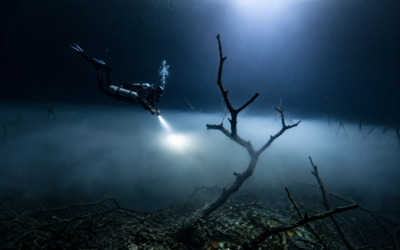
Hydrogen sulfide cloud surrounding submerged tree branches at Cenote Angelita near Tulum Mexico
The famous hydrogen sulfide cloud at Cenote Angelita creates an eerie underwater landscape unlike any other cenote in Mexico.

Why Is Angelita Cenote Famous?

Angelita is famous for its underwater hydrogen sulfide cloud.

At approximately 30 metres below the surface, divers encounter a thick white layer that resembles fog, smoke or a river flowing underwater. Rising through the cloud are dead tree branches and limestone formations that create the appearance of a submerged forest.

The scene is so unusual that many divers compare it to flying over a swamp from above.

There are very few places in the world where a phenomenon like this can be seen by recreational divers.

What Is the Hydrogen Sulfide Cloud?

The hydrogen sulfide cloud is a naturally occurring layer formed by decomposing organic material.

Over thousands of years, leaves, branches and vegetation have fallen into the cenote and collected at depth. Because there is very little water circulation in Angelita, this material slowly decomposes in low-oxygen conditions.

This process creates hydrogen sulfide, which forms the famous white cloud suspended underwater.

The cloud is one of the most photographed underwater features in Mexico.

What Does the Hydrogen Sulfide Cloud Look Like?

From above, the cloud resembles a river flowing through an underwater landscape.

As divers descend, visibility remains crystal clear until they reach the cloud layer. Looking down through the cloud, the bottom appears hidden beneath a blanket of mist.

Dead trees emerge through the cloud while sunlight filters down from the surface above.

The combination of clear water, white cloud and dark depths creates an unforgettable underwater scene.

Diving Through the Cloud

One of the most exciting moments of the dive is passing through the cloud itself.

Visibility decreases dramatically as divers enter the layer. The surrounding world briefly disappears into a white haze.

After descending through the cloud, visibility improves again and divers discover a completely different environment beneath.

The bottom of the cenote is darker and more mysterious. Fallen trees lie scattered across the slope while the cloud forms a ghostly ceiling overhead.

For underwater photographers, it is one of the most spectacular scenes in the Riviera Maya.

Entrance sign for Cenote Angelita surrounded by jungle near Tulum in the Riviera Maya Mexico
The entrance to Cenote Angelita is hidden within the jungle south of Tulum, one of the most unique cenote diving locations in Mexico.

Why Does Angelita Have Dead Trees Underwater?

The dead trees are one of the defining features of Angelita.

As the cenote evolved over thousands of years, vegetation from the surrounding jungle fell into the sinkhole. Some trees and branches became trapped below the hydrogen sulfide layer and remain preserved on the bottom.

Combined with the cloud, these trees create the famous underwater forest appearance.

Does Angelita Have a Halocline?

Yes.

Angelita also contains a halocline where freshwater and saltwater meet.

A halocline causes light to refract differently through the water layers, creating shimmering visual distortions. Divers often notice the water appearing to ripple or blur as they move through the transition zone.

The combination of a hydrogen sulfide cloud and halocline makes Angelita one of the most visually impressive dives in Mexico.

How Deep Is Angelita Cenote?

Some of the deepest cenotes in Mexico have been mapped by the Quintana Roo Speleological Survey.

Angelita reaches a maximum depth of approximately 56 metres.

Most recreational divers remain within recreational depth limits and generally dive between 30 and 40 metres depending on certification level and experience.

Because of the depth profile, Angelita is usually considered an advanced recreational dive.

Is Angelita Suitable for Beginner Divers?

Angelita is not normally recommended as a first cenote dive.

The depth, descent profile and advanced nature of the site make it more suitable for experienced divers with good buoyancy control and deep diving experience.

Many divers choose to visit sites such as Dos Ojos or Casa Cenote before progressing to Angelita.

What Is Visibility Like in Angelita?

Visibility is excellent throughout most of the dive.

Above and below the cloud, visibility is typically outstanding. Inside the hydrogen sulfide layer itself, visibility drops significantly before improving again once divers emerge beneath it.

These changing visibility conditions are part of what makes the dive so memorable.

Scuba diver exploring the underwater island and hydrogen sulfide cloud at Cenote Angelita near Tulum Mexico
The underwater island at Cenote Angelita rises from the hydrogen sulfide cloud, creating one of the most surreal diving experiences in Mexico.

Is Angelita Worth Diving?

Absolutely.

Angelita offers something that cannot be found at most dive sites around the world. The hydrogen sulfide cloud, underwater forest, dramatic depth and unique lighting effects combine to create an experience unlike any other cenote in Mexico.

Many divers describe Angelita as the most unforgettable dive of their entire trip to Tulum.

Ready to Dive Cenote Angelita?

Whether you’re visiting Tulum for the first time or you’re an experienced diver looking for one of Mexico’s most unforgettable cenote dives, Cenote Angelita should be at the top of your list. The famous hydrogen sulfide cloud, underwater island, and dramatic scenery make it one of the most memorable dives in the Riviera Maya.

Book your Cenote Angelita diving experience today:

Dive Cenote Angelita With Best Cenote Dives

All guided dives include equipment, cenote entrance fees, and transport from Tulum town.

Frequently Asked Questions

What is the cloud in Angelita Cenote?

The cloud is a naturally occurring hydrogen sulfide layer created by decomposing organic material at depth.

What causes the hydrogen sulfide cloud?

Leaves, branches and vegetation accumulate on the bottom of the cenote and slowly decompose in low-oxygen conditions, producing hydrogen sulfide.

Is the hydrogen sulfide cloud dangerous?

Divers regularly pass through the cloud during guided dives. It is a natural feature of the cenote and one of its main attractions.

How deep is Angelita Cenote?

Angelita reaches approximately 56 metres deep.

Where is Angelita Cenote located?

Angelita is located around 15 minutes south of Tulum in the Riviera Maya region of Mexico.

What certification do I need to dive Angelita?

Most divers should have an Advanced Open Water certification and experience with deep diving.

Does Angelita have a halocline?

Yes. Angelita contains a u003ca href=u0022https://bestcenotedives.com/halocline-where-freshwater-saltwater-meet/u0022 data-type=u0022postu0022 data-id=u00222641u0022u003ehaloclineu003c/au003e where freshwater and saltwater meet.

Why are there trees underwater in Angelita?

Fallen trees and vegetation have accumulated over thousands of years and contribute to the cenote’s famous underwater forest appearance.

Is Angelita suitable for beginner divers?

Angelita is generally recommended for experienced divers rather than complete beginners.

What makes Angelita Cenote unique?

Its hydrogen sulfide cloud, underwater forest, halocline and dramatic depth make it one of the most unique dive sites in Mexico.

Cenote Calavera – The Skull Cenote & Temple of Doom

Cenote Calavera – The Skull Cenote & Temple of Doom

A Thrilling Cenote Adventure (By Special Request Only)

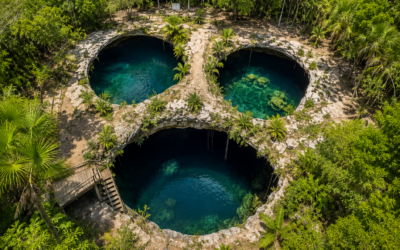
Cenote Calavera, known as the “Skull Cenote”, is one of the most unique and adventurous cenotes near Tulum. The name “Calavera” (Spanish for skull) comes from its three circular openings, which resemble a skull’s eyes and mouth when viewed from above.

This cenote is also called the “Temple of Doom”, drawing comparisons to Indiana Jones-style adventures. With dramatic cliff jumps, surreal halocline effects, and cavern diving, it’s an unforgettable cenote experience.

📢 Important:

Scuba diving at Cenote Calavera is available by special request only.
Snorkeling and cave diving are still available.


Where is Cenote Calavera?

📍 Location: Just 1.7 km (1 mile) from Tulum, along the Coba Road.
📍 Travel Time: 5 minutes by car, 10 minutes by bicycle from Tulum town.
📍 Accessibility: Easily reached by car, taxi, or bike.

View Cenote Calavera on Google Maps


Why Visit Cenote Calavera?

Visitor jumping into Cenote Calavera's crystal-clear waters in Tulum, Mexico.
One of the most popular activities at Cenote Calavera is jumping through the skull’s “eye” openings.

Cenote Calavera is perfect for:

Adventurous cliff jumps – Leap into crystal-clear waters from 2m (6ft) or higher.
The halocline effect – See the stunning visual distortion where fresh and saltwater meet.
Cavern diving – Swim through ancient rock formations, fossils, and underwater chambers.
Light beams & reflections – Watch sunlight dance through the cenote’s openings, creating a surreal glow underwater.


Scuba Diving at Cenote Calavera (Special Request Only)

Cenote Calavera is one of the most unique cavern dives in Tulum. The dive takes you into a spacious underground chamber where sunlight filters through the openings, creating stunning green and blue hues.

Max Depth: 19m (62ft).
Certification Required: Open Water or higher (Cavern Diving experience recommended).
Features: Halocline layers, fossilized formations, and eerie cave passages.

🔹 Why is it called the Temple of Doom?
The dark, cavernous atmosphere and the thrilling jump entry make this cenote feel like something straight out of an adventure movie.

💡 Due to limited availability, diving here is only available by special request.

👉 Contact us for special bookings.

Sunlight streaming into the Temple of Doom cavern at Cenote Calavera near Tulum.
Dramatic light beams illuminate the cavern chamber known as the Temple of Doom.

Snorkeling at Cenote Calavera

Not a diver? No problem! Cenote Calavera is still great for snorkeling.

Swim through the skull-shaped openings and enjoy the clear, blue water.
Float above divers and watch their bubbles rise through the beams of light.
See small fish and freshwater creatures in the open water zone.

👉 Book a snorkeling tour.


The Halocline Phenomenon – A Natural Wonder

At Cenote Calavera, you can witness one of the most fascinating underwater effects—the halocline.

🔹 What is a halocline? It’s where freshwater and saltwater meet, creating a wavy, shimmering effect as light bends through the layers.
🔹 What does it look like? Objects appear distorted and blurry when you pass through it—like a mirage underwater.
🔹 Where does the saltwater come from? The cenote is connected to the underground rivers that flow to the ocean.

This effect makes Cenote Calavera diving and snorkeling truly unique.


Best Time to Visit Cenote Calavera

Open Daily: 9:00 AM – 5:00 PM.
Best Light for Diving & Snorkeling: Late morning to early afternoon when the sun is high.
Special Request Diving: Must be pre-booked in advance due to limited availability.

👉 Plan your visit now.


Safety Tips for Cenote Calavera

Be cautious at the entrance – The rocks can be slippery. Wear sturdy footwear.
Mind your jump – Look below to make sure no divers are surfacing before jumping in.
Respect the cenote – Use biodegradable sunscreen and avoid touching formations.

Read about the world’s longest underwater cave systems


Cenote Calavera Diving & Snorkeling Tours

🚀 By Special Request Only: Scuba Diving at Cenote Calavera
🌊 Available: Snorkeling & Cave Diving

📍 Tour Combinations:
🔹 Car Wash & Calavera
🔹 Angelita & Calavera
🔹 Angelita, Calavera & Car Wash

👉 Check available tours here.


Cenote Calavera Depth Guide

Diver passing through the halocline at Cenote Calavera in Tulum, Mexico.
Freshwater and saltwater meet beneath Cenote Calavera, creating the famous halocline effect.

One of the most common questions visitors ask is: “How deep is Cenote Calavera?”

The cenote itself reaches a maximum depth of approximately 19 metres (62 feet), making it suitable for certified scuba divers while remaining accessible to snorkellers on the surface.

The cavern area contains a mixture of shallow platforms, open-water sections, and deeper areas where divers can experience the famous halocline effect. Visibility is usually excellent, often exceeding 20 metres.

Cenote Calavera Depth Overview

  • Maximum Depth: 19m (62ft)
  • Average Diving Depth: 10–15m (33–50ft)
  • Snorkelling Depth: Surface to 5m (16ft)
  • Certification Required for Diving: Open Water Diver or higher

The moderate depth, combined with dramatic light effects and easy access, makes Cenote Calavera one of the most popular diving cenotes near Tulum.


Cenote Calavera Entrance Fee & Prices

Cenote Calavera charges an entrance fee for both snorkellers and divers.

Prices can change throughout the year, so it is always worth checking before visiting.

Typical costs include:

  • Cenote entrance fee
  • Snorkelling equipment rental
  • Scuba diving guide fees
  • Transportation from Tulum
  • Photography services

Visitors joining a guided cenote diving tour will normally have entrance fees included in the tour price.

Because Calavera is located only a few minutes from Tulum town, it is often combined with other nearby cenotes such as Angelita or Car Wash for a full day of diving.


Cenote Calavera Opening Hours

Cenote Calavera is generally open daily.

Typical Opening Hours

  • Opening Time: 9:00 AM
  • Closing Time: 5:00 PM

The best time to visit is usually between 10:00 AM and 2:00 PM, when sunlight shines directly through the openings in the ceiling.

During these hours, the underwater scenery becomes particularly dramatic as beams of light illuminate the cavern below.

Early mornings are often quieter, while midday tends to provide the best photography conditions.


Why Does Cenote Calavera Look Like a Skull?

The name “Calavera” means “Skull” in Spanish.

When viewed from above, the cenote’s three circular openings resemble the eyes and mouth of a human skull.

One opening is large enough for divers and snorkellers to enter comfortably, while the other two smaller openings create the distinctive skull-like appearance that gave the cenote its name.

This unusual natural formation has made Cenote Calavera one of the most photographed cenotes in Mexico.

Many visitors arrive specifically to jump through the larger opening and photograph the famous skull-shaped entrance from above.

Because of its unique appearance, Cenote Calavera is often referred to as:

  • Skull Cenote
  • The Skull Cenote Tulum
  • The Temple of Doom Cenote

Why Is Cenote Calavera Called the Temple of Doom?

Cavern diver exploring Cenote Calavera's Temple of Doom chamber near Tulum.
Exploring the spectacular cavern formations and light effects inside Cenote Calavera.

Cenote Calavera earned the nickname “Temple of Doom” because entering the cenote feels like stepping into an ancient adventure film.

Visitors descend into a hidden underground world through openings in the limestone ceiling before entering a vast chamber filled with crystal-clear water.

The combination of dark cavern walls, dramatic light rays, fossils embedded in the limestone, and the famous jump entrance creates an atmosphere that many people compare to an Indiana Jones movie.

Unlike some cenotes that feature wide-open swimming areas, Calavera feels mysterious and slightly intimidating when viewed from the surface.

The nickname became popular among divers and travellers who felt the cenote resembled a forgotten underground temple hidden beneath the Yucatán jungle.

Despite the dramatic name, the cenote is perfectly safe when visited responsibly and remains one of the most accessible cavern diving sites near Tulum.

Today, many visitors know Cenote Calavera more by its nickname “Temple of Doom” than by its official name.


Cenote Calavera Photos & Photography Tips

Cenote Calavera is one of the most photogenic cenotes in the Riviera Maya.

The famous skull-shaped openings, crystal-clear water, and stunning light beams make it a favourite location for underwater photographers.

Best Photography Opportunities

  • The skull-shaped openings viewed from above
  • Cliff-jump action shots
  • Sun rays entering through the ceiling
  • Divers silhouetted beneath the openings
  • Halocline effects in the cavern

Best Time for Photos

The strongest light rays are normally visible between:

  • 10:30 AM and 1:30 PM

Photographers visiting during these hours can often capture spectacular beams of sunlight penetrating the water and illuminating the cavern below.


Cenote Calavera vs Dos Ojos

Both Cenote Calavera and Dos Ojos are popular cenotes near Tulum, but they offer very different experiences.

Cenote Calavera

✔ Adventure atmosphere
✔ Cliff-jump entrance
✔ Strong halocline effect
✔ Open cavern environment

Dos Ojos

✔ Longer cavern routes
✔ Crystal-clear visibility
✔ More extensive cave system
✔ Ideal for cavern tours

If you’re looking for adventure and unique photographs, Calavera is often the better choice. If you want longer cavern dives with spectacular formations, Dos Ojos is hard to beat.

Read about Dos Ojos here


Cenote Calavera vs Angelita

Angelita and Calavera are often combined on the same diving day.

Cenote Calavera

✔ Cavern dive
✔ Maximum depth 19m
✔ Light effects
✔ Suitable for Open Water divers

Cenote Angelita

✔ Deep sinkhole cenote
✔ Famous hydrogen sulphide cloud
✔ Maximum depth over 60m
✔ Advanced divers recommended

Angelita offers one of the most surreal underwater landscapes in the world, while Calavera provides a more accessible cavern diving experience.

Read about Angelita here


Cenote Calavera vs The Pit

The Pit and Calavera are two of Tulum’s most famous diving cenotes.

Cenote Calavera

✔ Easier access
✔ Jump entrance
✔ Cavern environment
✔ Suitable for newer cenote divers

The Pit

✔ Massive vertical shaft
✔ Spectacular light beams
✔ Deep diving profile
✔ One of Mexico’s most famous cenotes

Many divers choose Calavera for its adventure atmosphere and The Pit for its dramatic depth and visual impact.

Read about The Pit here

Plan Your Visit to Cenote Calavera

Cenote Calavera is one of the most unique and adventurous cenotes in Tulum. Whether you’re:

Jumping into the Skull Cenote for the first time.
Experiencing the surreal beauty of the halocline effect.
Diving into a cavern full of history and mystery.

👉 Book Your Cenote Adventure Here.

FAQ

What does “Cenote Calavera” mean?

“Calavera” is the Spanish word for “skull.” The cenote gets its name from the three circular openings in the ceiling that resemble a skull’s eyes and mouth when viewed from above.

Why is Cenote Calavera called the Temple of Doom?

The nickname “Temple of Doom” comes from the dramatic jump entrance, dark cavern atmosphere, and adventure-movie feel of the site. Many visitors compare entering the cenote to stepping into an Indiana Jones-style underground temple.

How deep is Cenote Calavera?

The maximum depth is approximately 19 metres (62 feet), although most snorkelers and recreational divers spend their time in the shallower sections around the main chamber.

Is Cenote Calavera good for beginners?

Yes. Snorkelers of all experience levels can enjoy the cenote. Certified Open Water divers can also explore the cavern area with an appropriate guide.

Can you jump into Cenote Calavera?

Yes. Jumping through one of the skull-shaped openings is one of the cenote’s most famous attractions. Visitors should always check below before jumping and follow local safety guidelines.

Is Cenote Calavera suitable for snorkeling?

Absolutely. The open water, excellent visibility, sunbeams, and unique skull-shaped openings make it one of the most popular snorkeling cenotes near Tulum.

What is the halocline at Cenote Calavera?

A halocline occurs where freshwater and saltwater meet. At Cenote Calavera, divers can witness a shimmering visual distortion that looks like an underwater mirage.

How far is Cenote Calavera from Tulum?

Cenote Calavera is located approximately 1.7 km (1 mile) from Tulum town on the road towards Coba. It can be reached in around 5 minutes by car or 10 minutes by bicycle.

What are the opening hours for Cenote Calavera?

Opening hours may vary throughout the year, but the cenote is generally open daily from morning until late afternoon. It’s always best to check current hours before visiting.

What should I bring to Cenote Calavera?

Visitors should bring swimwear, a towel, drinking water, biodegradable sunscreen, and cash for entrance fees. Divers should also bring their certification cards and logbooks if required.

Categories