Introduction
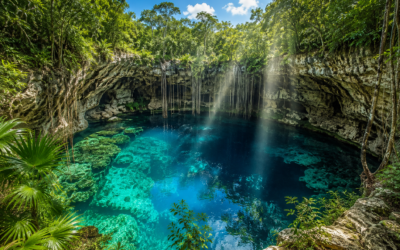
Cenote diving in Tulum is one of the most extraordinary scuba diving experiences in the world. These natural sinkholes, formed over thousands of years, offer crystal-clear visibility, stunning stalactites and stalagmites, and breathtaking light effects that create an otherworldly underwater adventure.
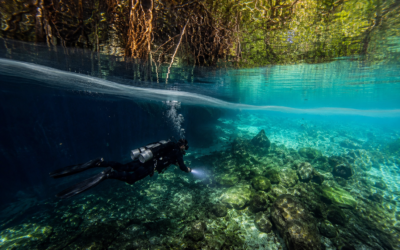
Unlike ocean diving, cenote diving takes place in freshwater caverns and caves, where you can witness haloclines (the blending of salt and freshwater), ancient rock formations, and even submerged Mayan artifacts. Whether you’re a certified open-water diver exploring cavern zones or an advanced cave diver navigating Mexico’s extensive underground river systems, Tulum’s cenotes provide an unforgettable experience.
In this guide, you’ll learn everything you need to know about cenote diving in Tulum, including:
✔️ What cenotes are and why they’re unique
✔️ The difference between cenote diving and cave diving
✔️ What to expect when diving in Mexico’s cenotes
✔️ Essential cenote diving equipment and safety guidelines
Cenotes are Mexico’s hidden underwater treasure—let’s dive in!
Table of Contents
Quick Answers About Cenote Diving in Tulum
What is cenote diving?
Cenote diving is scuba diving in the freshwater sinkholes and underground river systems of Mexico’s Yucatán Peninsula.
Where can you go cenote diving in Tulum?
Popular cenotes for diving include Dos Ojos, The Pit, Angelita, Dreamgate, Car Wash, Casa Cenote, and Taak Bi Ha.
Do you need a guide for cenote diving?
Yes. Most cenotes require divers to dive with a certified local guide familiar with the cavern systems.
Is cenote diving safe?
Cenote diving is very safe when conducted with proper training, certified guides, and established safety procedures.
What certification is needed for cenote diving?
Most cenote dives require an Open Water certification. Cave diving requires specialized cave diving certification.
What is the best cenote in Tulum?
Dos Ojos is often recommended for beginners, while The Pit, Angelita, and Dreamgate are popular among experienced divers.
What is the water temperature in Tulum cenotes?
Most cenotes maintain a constant temperature between 24°C and 26°C (75°F–78°F) year-round.
Can beginners dive in cenotes?
Yes. Many cenotes are suitable for certified Open Water divers with no previous cavern diving experience.
What makes cenote diving unique?
Crystal-clear visibility, dramatic light beams, haloclines, ancient cave formations, and underwater river systems make cenote diving unlike any other type of diving.
What is the difference between cavern diving and cave diving?
Cavern diving remains within sight of natural daylight, while cave diving takes place beyond the light zone and requires advanced training.
What Are Cenotes?
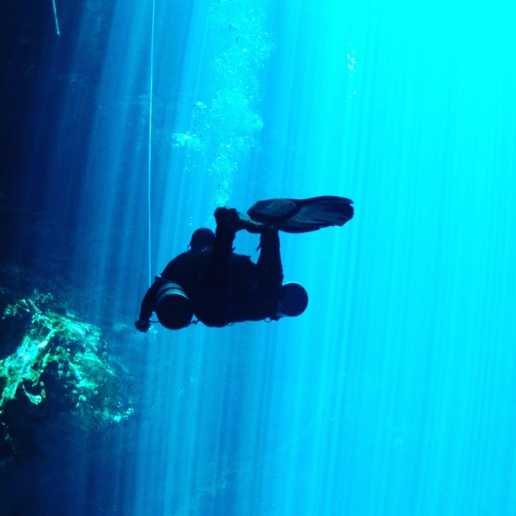
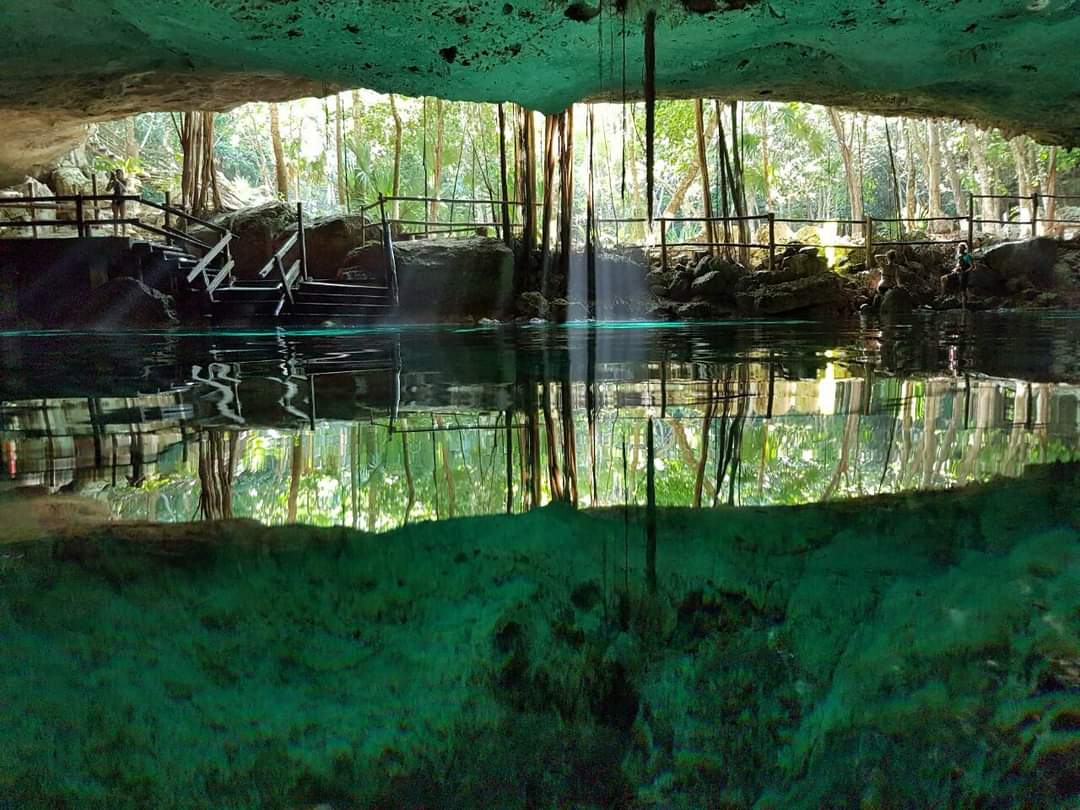
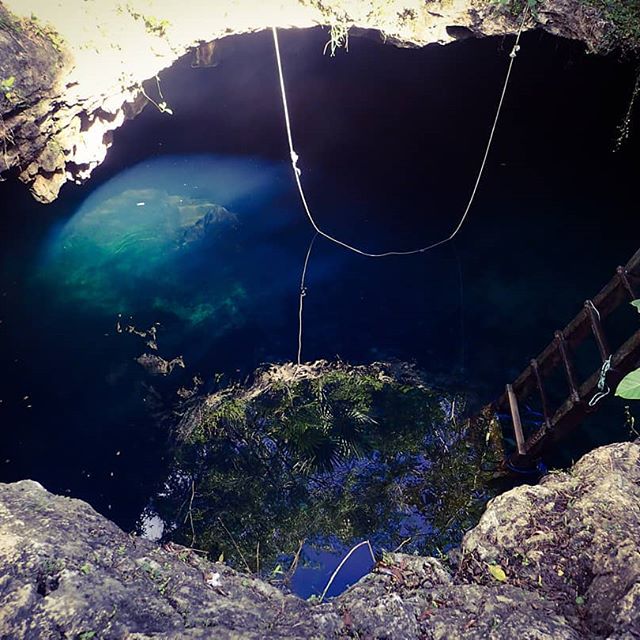
Cenotes are natural sinkholes formed by the collapse of limestone bedrock, exposing the underground rivers that run beneath the Yucatán Peninsula. These formations are part of a vast subterranean water system, once considered sacred by the Maya civilization.
Tulum and the surrounding areas have thousands of cenotes, ranging from open-air pools to deep caverns with stalactites, stalagmites, and crystal-clear water.
👉 Want to learn more about cenote history and geology? Click here.
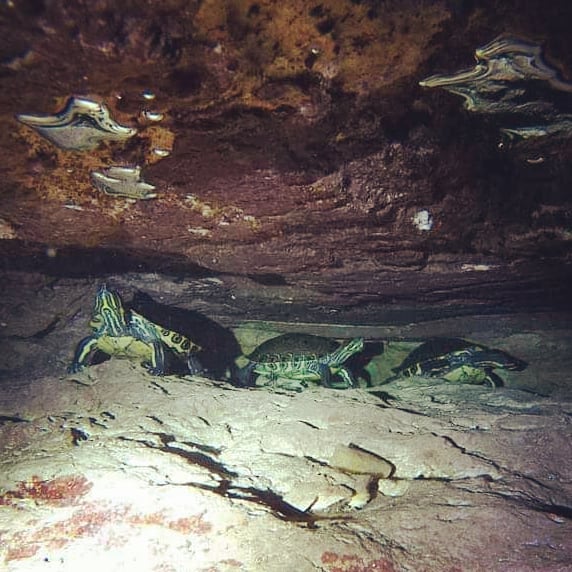
What Is Cenote Diving?
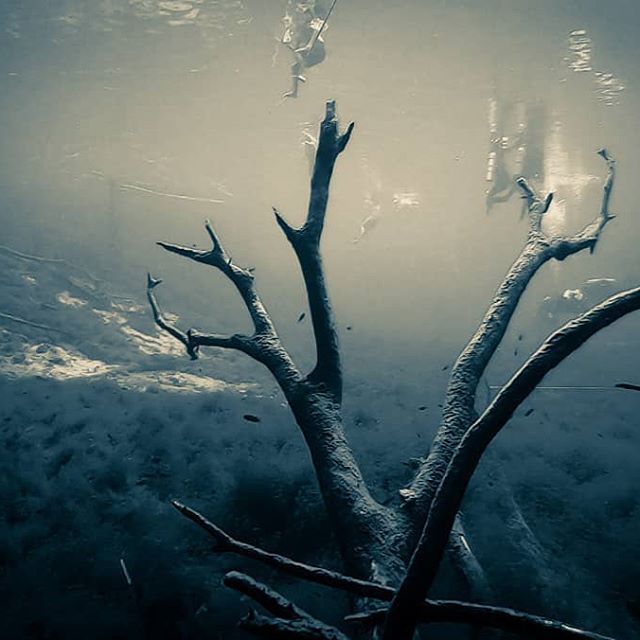
Cenote diving is a freshwater diving experience in the caverns and caves of Mexico’s Yucatán Peninsula. Unlike ocean diving, cenote diving features exceptional visibility, minimal currents, and stunning rock formations.
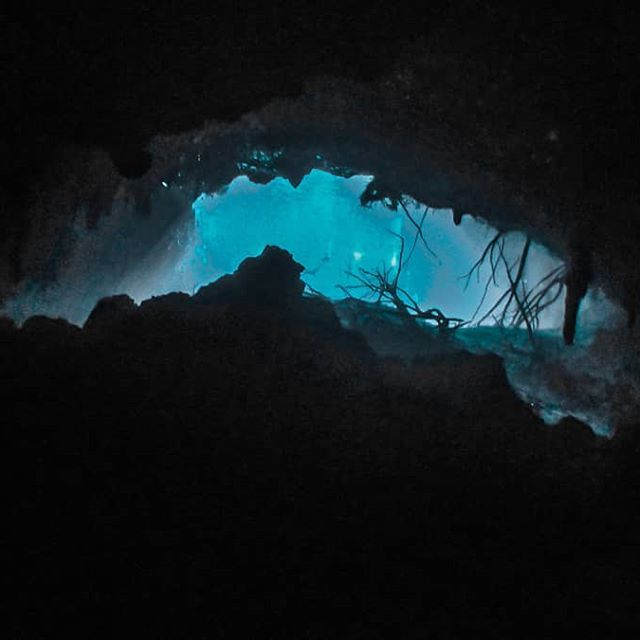
Dives take place in caverns (where natural light is still visible) or caves (for trained technical divers). Each cenote offers a different underwater landscape, making cenote diving one of the most varied and visually striking experiences for divers.
What Is Cave Diving?
Cave diving is an advanced form of cenote diving that takes divers beyond the cavern zone and into fully enclosed underwater cave systems. It requires specialized training, redundant air supply systems, and advanced navigation techniques.
Differences Between Cenote Diving and Cave Diving:
- Cenote Diving (Cavern Diving): Always within sight of natural light and open to recreational divers.
- Cave Diving: Requires full cave certification, allowing divers to explore the extensive underwater tunnels of Tulum.
👉 Learn more about cave diving training and safety here.
Cave Diving in Tulum
Tulum is widely regarded as one of the world’s premier cave diving destinations. The region contains hundreds of kilometers of explored underwater cave systems, making it the largest flooded cave network on Earth.
Cave diving in Tulum requires specialized training, redundant equipment, and advanced navigation skills. Unlike recreational cenote diving, cave divers travel beyond the natural light zone into fully enclosed cave passages.
Popular cave systems include Dos Ojos, Sac Actun, Ox Bel Ha, and Nohoch Nah Chich. These systems attract cave divers from around the world seeking crystal-clear water, massive tunnels, delicate formations, and world-class exploration opportunities.
Many divers begin with cavern training before progressing through Intro to Cave and Full Cave certifications.
What You’ll See While Cenote Diving
Stalactites and Stalagmites
Cenotes are decorated with incredible rock formations that took thousands of years to develop. Stalactites (hanging from the ceiling) and stalagmites (rising from the floor) create breathtaking underwater structures.
The Halocline Effect
A halocline is a visual distortion that occurs when freshwater and saltwater mix in a cenote. When you pass through this layer, the water appears blurred or mirrored, creating a surreal experience.
👉 Learn more about haloclines and where to see them here.
Incredible Light Beams
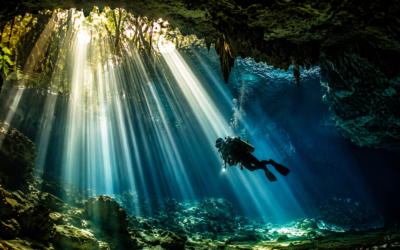
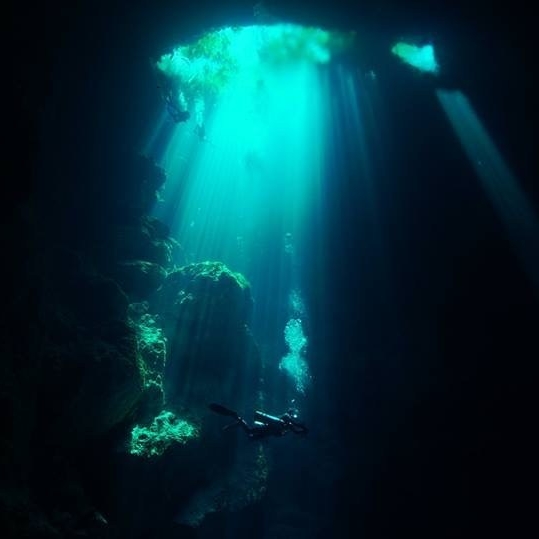
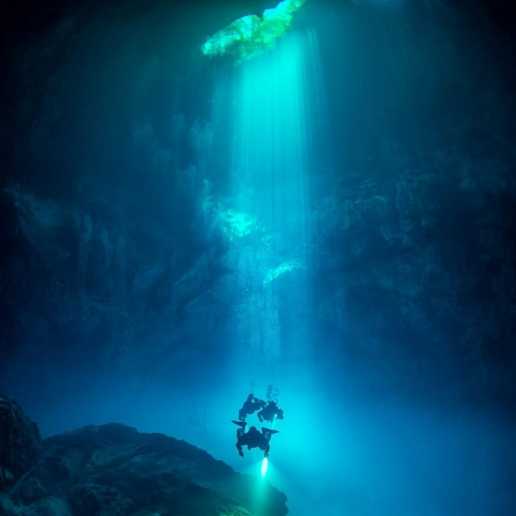
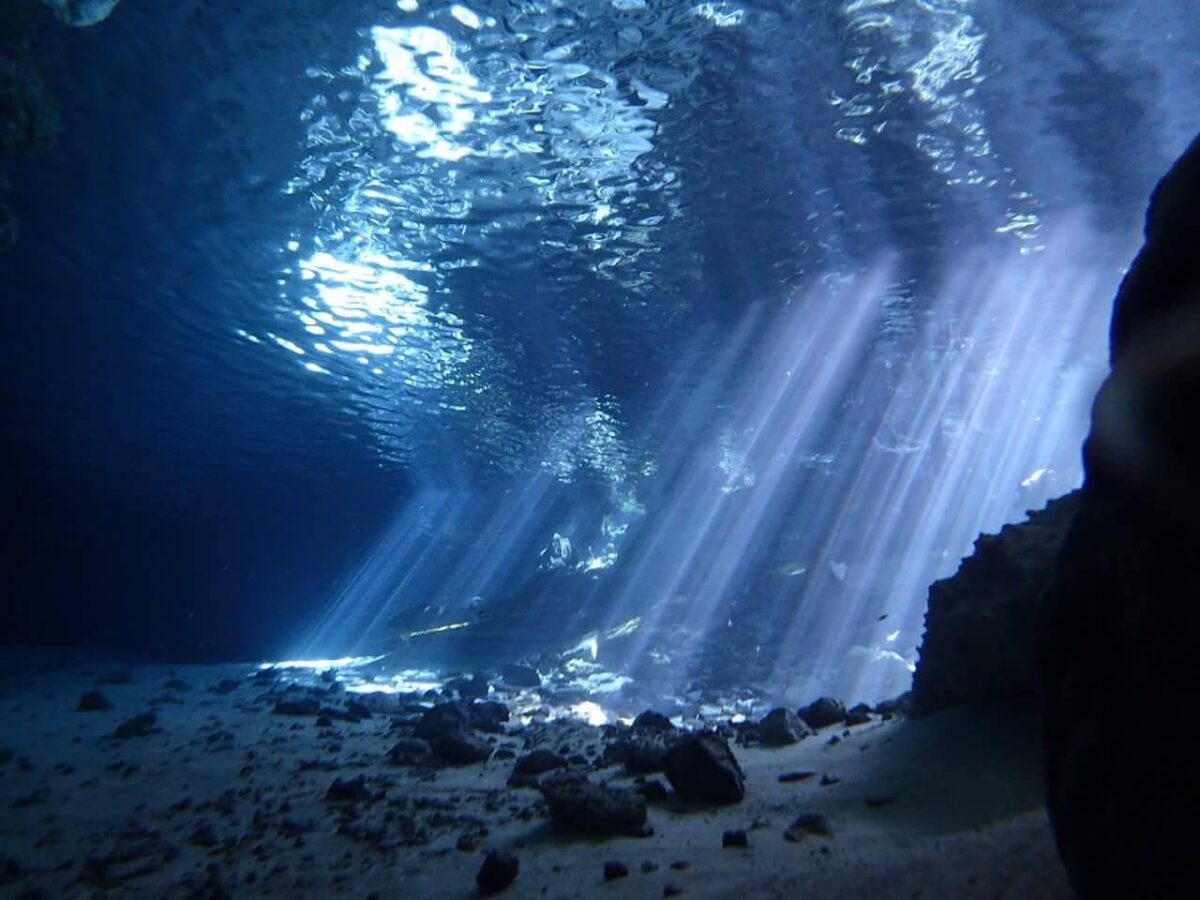
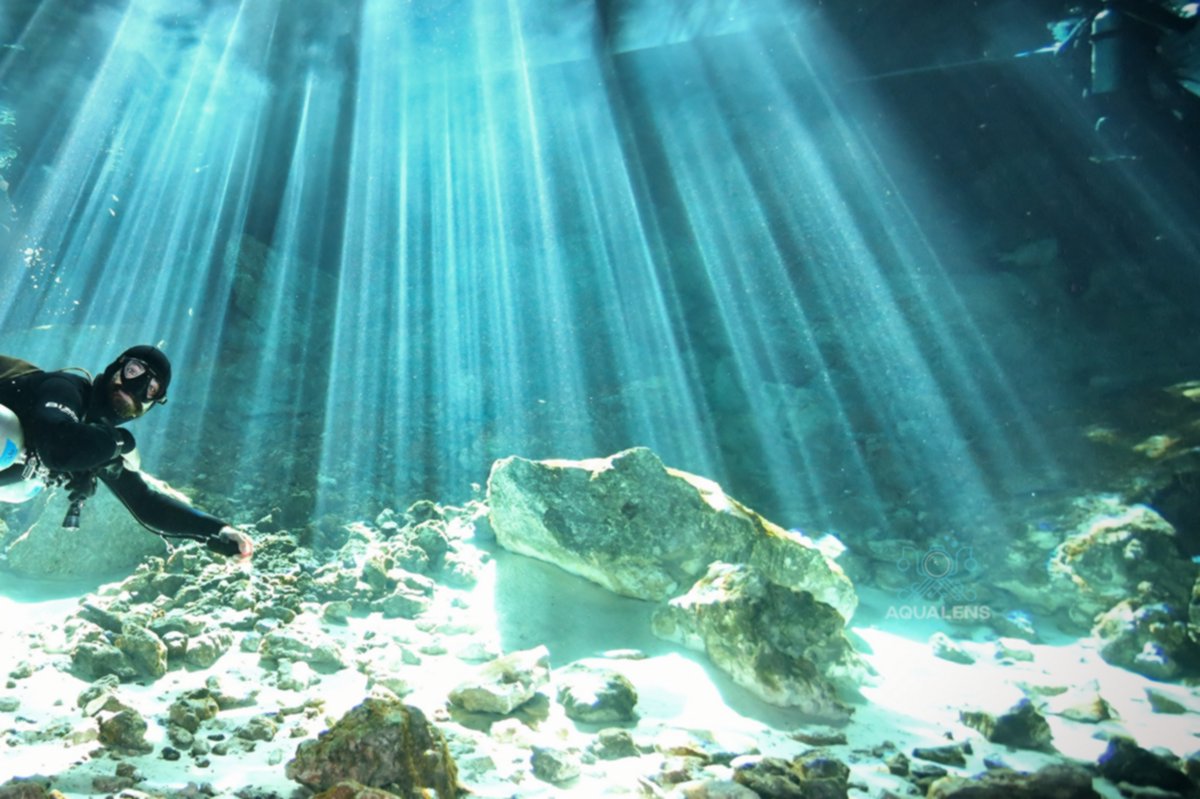
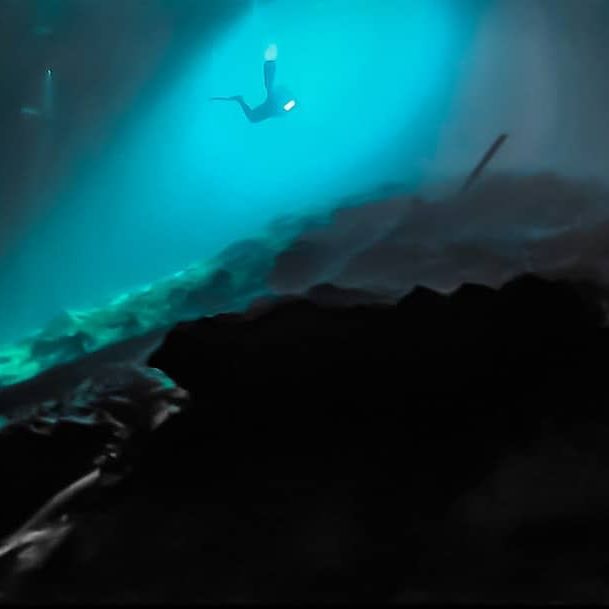
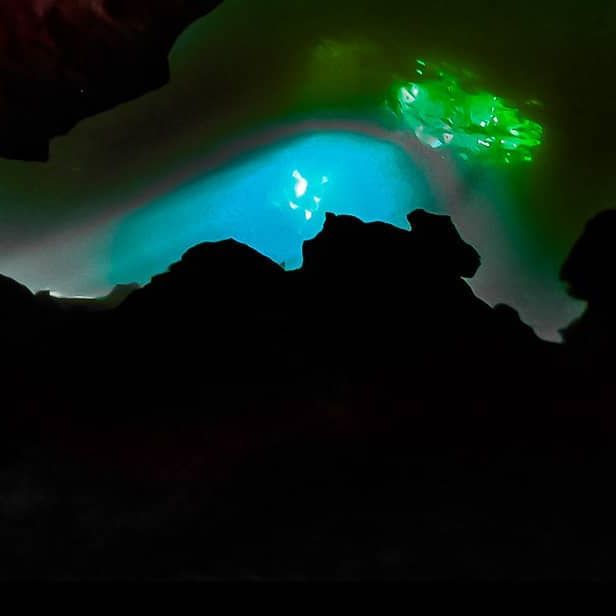
Some cenotes have spectacular natural light effects, where sunlight pierces through small openings, illuminating the water in shades of blue and green. Cenotes like The Pit and Dos Ojos are famous for these cathedral-like light beams.
Ancient Fossils and Artifacts
Many cenotes hold prehistoric fossils, ancient Mayan pottery, and even skeletal remains. These discoveries make cenote diving a mix of exploration, history, and geology.
Equipment for Cenote Diving
Cenote diving requires specific gear to ensure safety and visibility in cavern environments. While standard dive equipment is used, a dive light is essential due to the overhead environment.
✅ Regulator & Alternate Air Source – A reliable system to ensure redundant air supply.
✅ Buoyancy Control Device (BCD) – Helps maintain neutral buoyancy to avoid disturbing sediment.
✅ Full Wetsuit (3mm to 5mm) – Cenote water temperatures range between 24–26°C (75–78°F).
✅ Primary Dive Light – Required for proper visibility in darker cenote sections.
Specialized Equipment for Cave Diving
For those venturing into cave diving, additional safety equipment is required due to the overhead environment and lack of direct access to the surface.
✅ Primary Dive Light – A high-powered light is essential for navigating the darkness.
✅ Backup Lights – Two additional lights are required in case of failure.
✅ Reel & Guide Line – Used for navigation, ensuring a clear path back to the entrance.
✅ Sidemount Configuration – Common in cave diving for better streamlining in tight spaces.
👉 Want a detailed guide to cave diving equipment? Click here.
Is Cenote Diving Safe?
Yes! Cenote diving is very safe when following proper guidelines and diving with an experienced guide. Although cenotes are overhead environments, diving is conducted in controlled, well-mapped areas.
Key Safety Guidelines:
✔️ Always dive with a certified cenote guide.
✔️ Follow the “rule of thirds” for air consumption.
✔️ Maintain neutral buoyancy to avoid stirring up sediment.
✔️ Respect the cenote environment—avoid touching formations.
Best Cenotes for Diving in Tulum
| Cenote | Type | Max Depth | Best For |
|---|---|---|---|
| Dos Ojos | Cavern | 10m | First-time cenote divers |
| The Pit | Deep sinkhole | 30m+ | Light beams |
| Angelita | Deep sinkhole | 60m+ | Halocline |
| Car Wash | Open cenote | 15m | Light effects |
| Dreamgate | Cavern | 10m | Formations |
| Casa Cenote | Open cenote | 8m | Beginners |
Tulum is home to some of the most spectacular cenotes in Mexico, offering everything from beginner-friendly cavern dives to world-famous deep sinkholes. Whether you’re looking for crystal-clear water, dramatic light beams, stunning cave formations, or advanced cave diving adventures, there is a cenote for every experience level.
Dos Ojos
One of the most famous cenotes in Tulum, Dos Ojos is ideal for certified Open Water divers who want to experience cenote diving for the first time. The cavern system features crystal-clear visibility, beautiful light effects, and impressive stalactites and stalagmites.
The Pit
The Pit is renowned for its breathtaking light beams and dramatic halocline. This deep sinkhole is considered one of the best cenotes for diving in Tulum and attracts photographers and experienced recreational divers from around the world.
Angelita
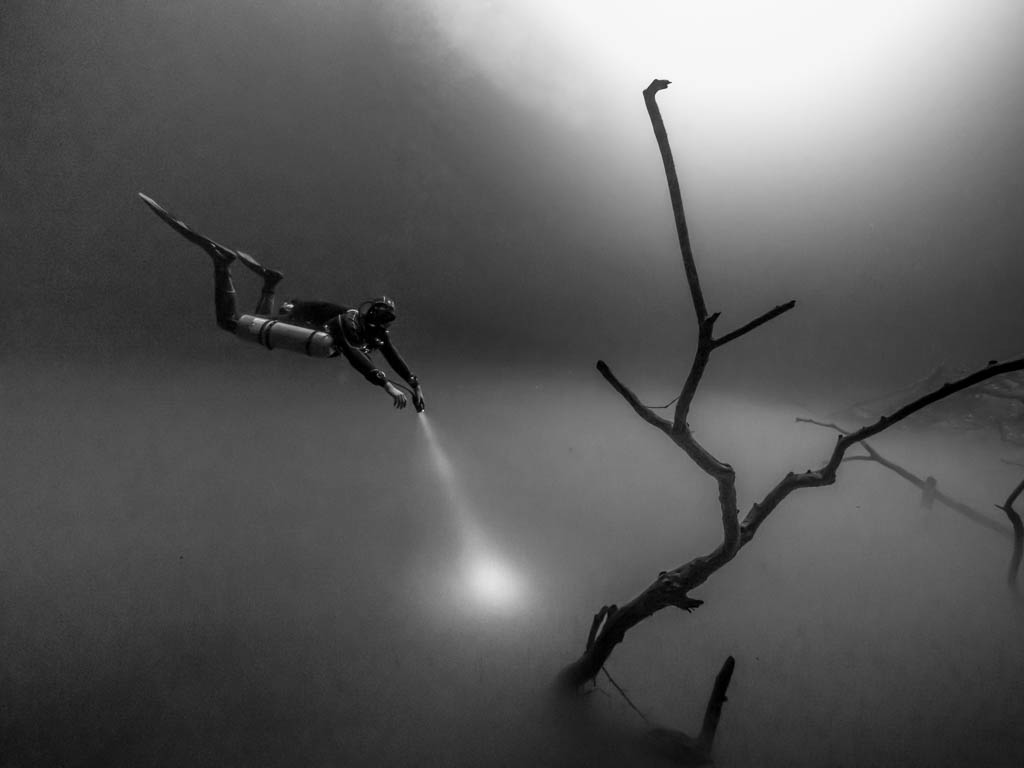
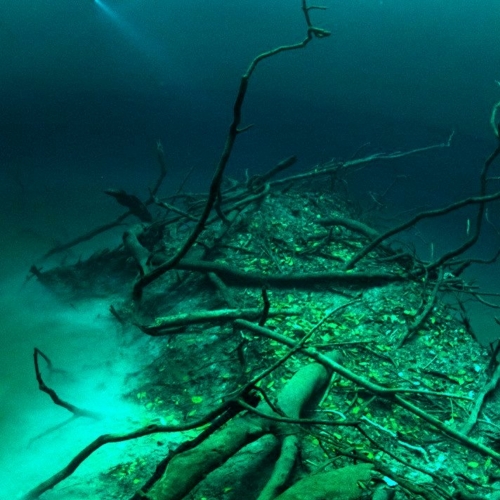
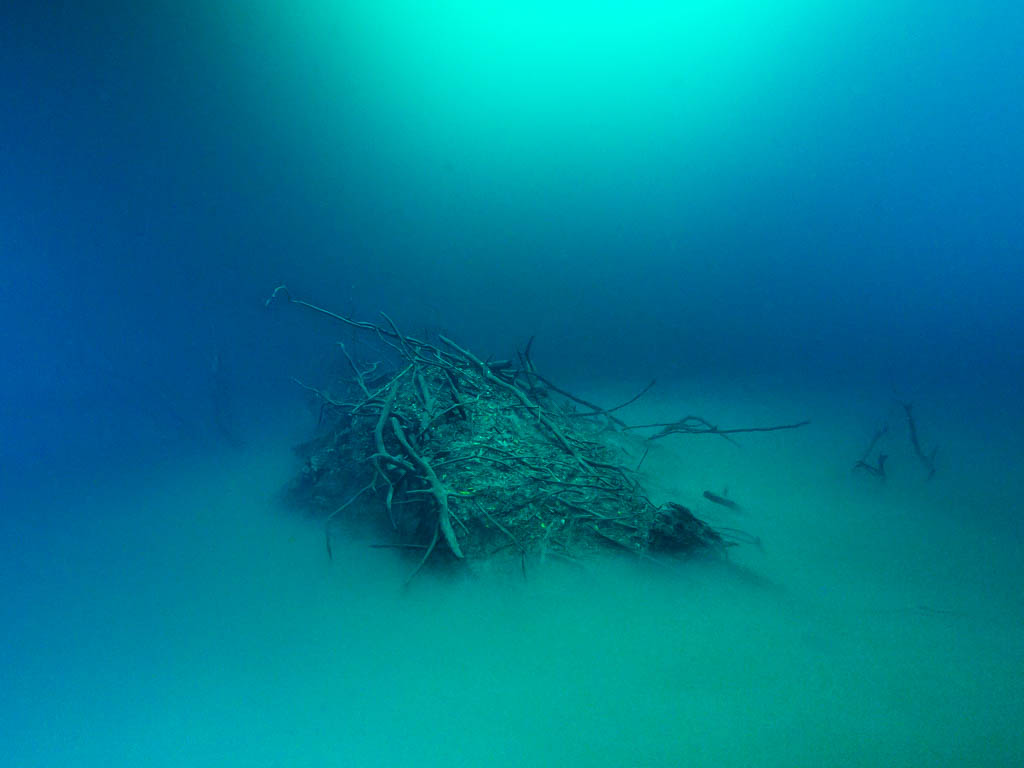
Angelita is famous for its unique hydrogen sulfide cloud, creating the illusion of an underwater river flowing through the cenote. Advanced divers seeking one of the most unusual diving experiences in Mexico often rank Angelita among their favorite dives.
Car Wash Cenote
Car Wash offers excellent visibility, beautiful aquatic vegetation, and spectacular light effects. It is a popular choice for both cenote diving and snorkeling in Tulum due to its open layout and stunning scenery.
Dreamgate
Dreamgate is widely regarded as one of the most beautiful cavern dives in the region. The cenote contains some of the finest cave formations found anywhere in the Yucatán Peninsula and is ideal for divers seeking an unforgettable cavern diving experience.
Casa Cenote
Casa Cenote combines cenote diving with marine influences from the nearby Caribbean Sea. Its shallow depths and unique ecosystem make it an excellent choice for beginner divers and snorkelers visiting Tulum.
If you’re wondering which cenote is right for you, our experienced guides can help you choose the best cenote diving experience in Tulum based on your certification level, comfort, and interests.
FAQ – Cenote Diving in Tulum
What is the best cenote for diving in Tulum?
The best cenote depends on your experience and interests. Dos Ojos is excellent for first-time cenote divers, The Pit is famous for light beams and haloclines, Angelita offers a unique underwater river effect, and Dreamgate is renowned for its spectacular cave formations.
Do I need certification for cenote diving in Tulum?
Yes. Most cenote dives require at least an Open Water certification. Advanced cave diving requires specialized cave diving certification and training.
What is the difference between cenote diving and cave diving?
Cenote diving usually takes place within the cavern zone where natural daylight remains visible. Cave diving takes divers beyond the daylight zone into fully enclosed cave systems and requires advanced training and certification.
Which cenote has the famous halocline?
Several cenotes feature haloclines, but The Pit and Angelita are among the most famous. The mixing of freshwater and saltwater creates a surreal visual effect unlike any other diving environment.
Is cenote diving safe?
Yes. Cenote diving is extremely safe when conducted with qualified guides and within established cavern routes. The cenotes around Tulum are carefully managed and mapped, making them suitable for recreational divers.
What is the water temperature in Tulum’s cenotes?
Most cenotes maintain a constant temperature of approximately 24–26°C (75–78°F) throughout the year.
Can beginners go cenote diving?
Absolutely. Many cenotes, including Dos Ojos and Casa Cenote, are suitable for certified Open Water divers with little or no previous cavern diving experience.
What are the best cenotes for snorkeling in Tulum?
Dos Ojos, Casa Cenote, Taak Bi Ha, and Nicte Ha are among the best cenotes for snorkeling thanks to their crystal-clear water and easy access.
What marine life can I see while cenote diving?
Although cenotes do not contain large marine animals, divers may encounter freshwater fish, shrimp, turtles, and unique cave-adapted species in some systems.
How deep are the cenotes in Tulum?
Depths vary considerably. Many recreational cenote dives range from 5–30 meters (16–98 feet), while deeper cenotes such as Angelita exceed 60 meters (197 feet).
Final Thoughts
Cenote diving in Tulum is a breathtaking experience, offering unmatched visibility, stunning rock formations, and a unique insight into the Earth’s history. Whether you’re a beginner exploring the cavern zones or a certified diver ready for cave exploration, cenotes offer something truly unforgettable.