Table of Contents
What Is Angelita Cenote?
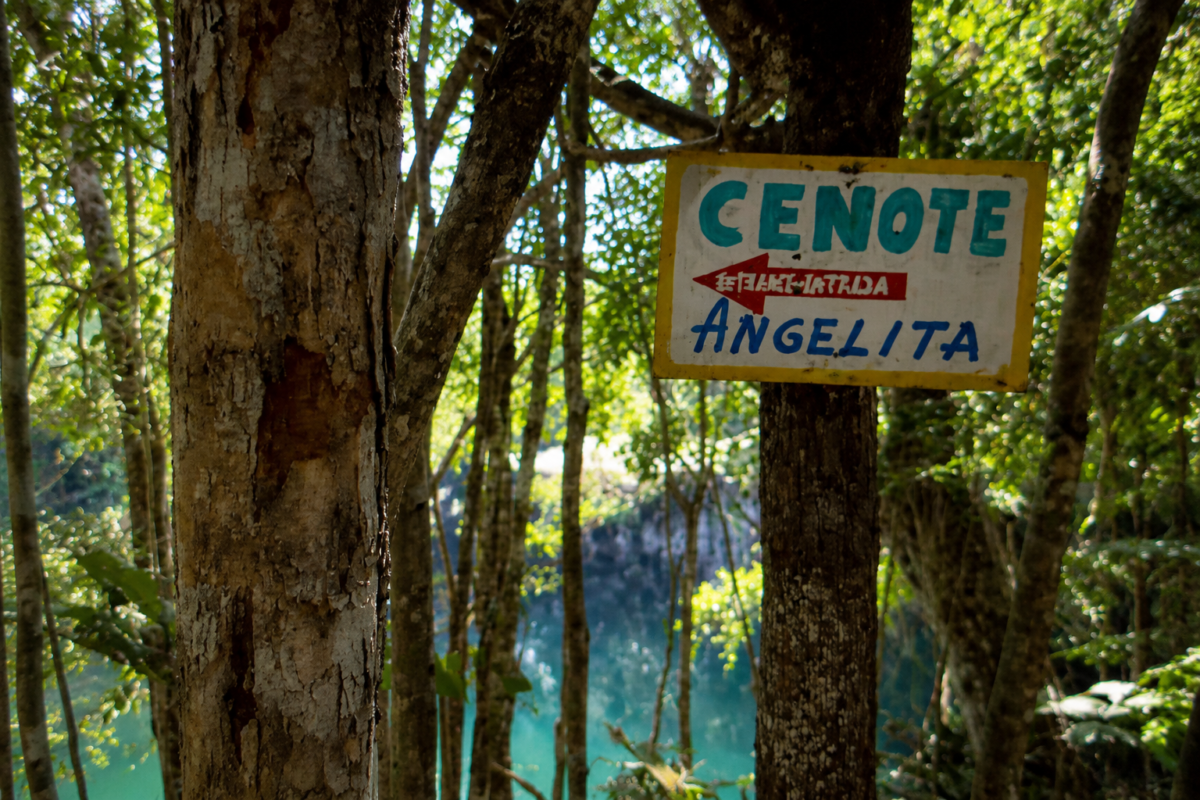
Angelita Cenote is one of the most unique dive sites in Mexico and is widely regarded as one of the most memorable cenote dives in the Riviera Maya.
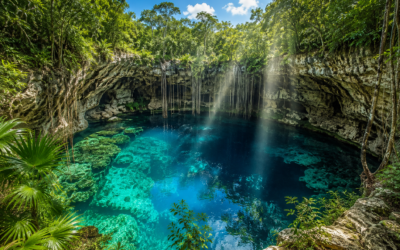
Located approximately 15 minutes south of Tulum, Angelita differs from most cenotes because it is a deep open sinkhole rather than an extensive cave system. The cenote reaches depths of around 56 metres and is famous for a mysterious underwater cloud that appears to float in the middle of the water column.
For many divers, Angelita is the highlight of their trip to Mexico.
Why Is Angelita Cenote Famous?
Angelita is famous for its underwater hydrogen sulfide cloud.
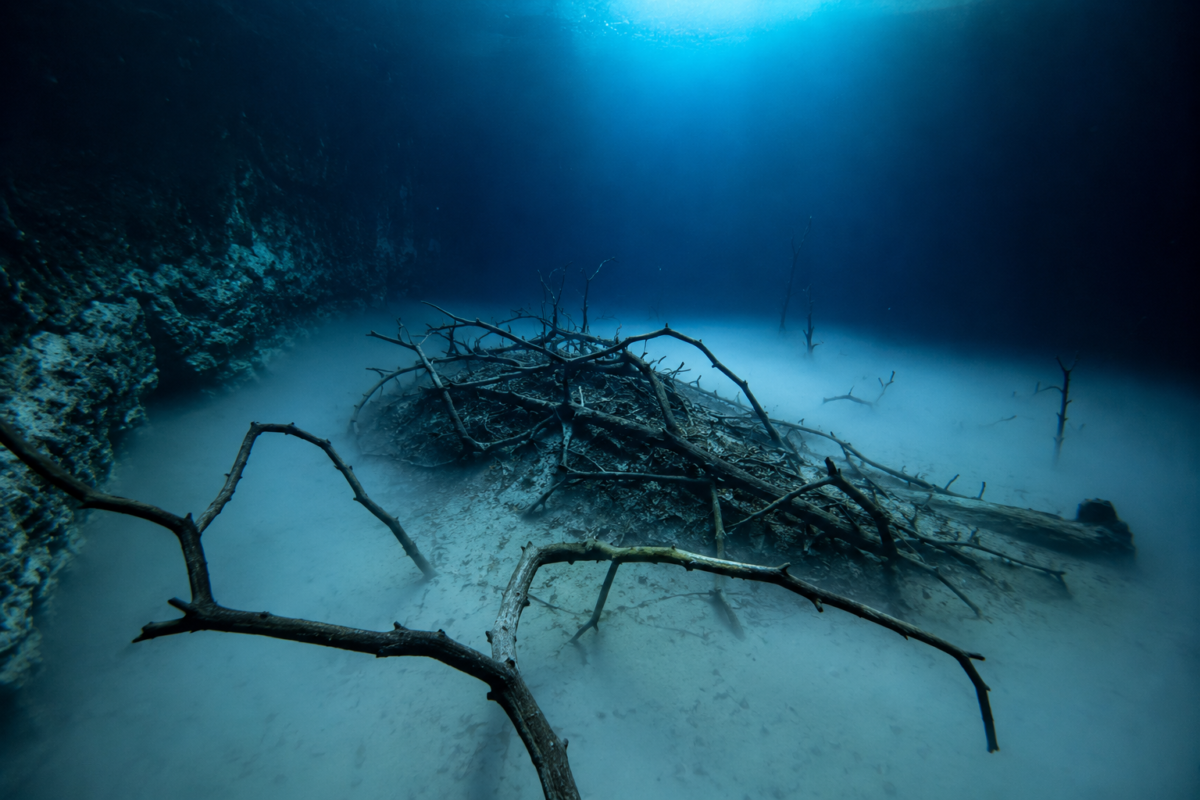
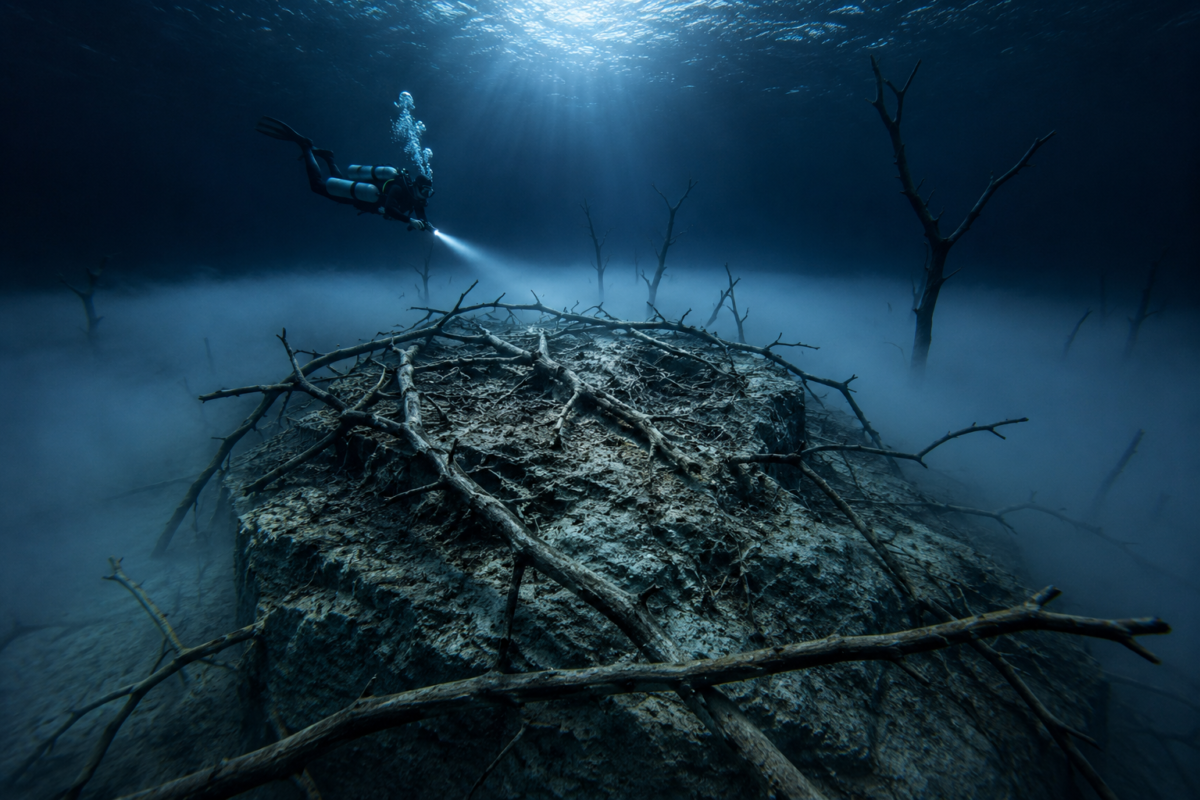
At approximately 30 metres below the surface, divers encounter a thick white layer that resembles fog, smoke or a river flowing underwater. Rising through the cloud are dead tree branches and limestone formations that create the appearance of a submerged forest.
The scene is so unusual that many divers compare it to flying over a swamp from above.
There are very few places in the world where a phenomenon like this can be seen by recreational divers.
What Is the Hydrogen Sulfide Cloud?
The hydrogen sulfide cloud is a naturally occurring layer formed by decomposing organic material.
Over thousands of years, leaves, branches and vegetation have fallen into the cenote and collected at depth. Because there is very little water circulation in Angelita, this material slowly decomposes in low-oxygen conditions.
This process creates hydrogen sulfide, which forms the famous white cloud suspended underwater.
The cloud is one of the most photographed underwater features in Mexico.
What Does the Hydrogen Sulfide Cloud Look Like?
From above, the cloud resembles a river flowing through an underwater landscape.
As divers descend, visibility remains crystal clear until they reach the cloud layer. Looking down through the cloud, the bottom appears hidden beneath a blanket of mist.
Dead trees emerge through the cloud while sunlight filters down from the surface above.
The combination of clear water, white cloud and dark depths creates an unforgettable underwater scene.
Diving Through the Cloud
One of the most exciting moments of the dive is passing through the cloud itself.
Visibility decreases dramatically as divers enter the layer. The surrounding world briefly disappears into a white haze.
After descending through the cloud, visibility improves again and divers discover a completely different environment beneath.
The bottom of the cenote is darker and more mysterious. Fallen trees lie scattered across the slope while the cloud forms a ghostly ceiling overhead.
For underwater photographers, it is one of the most spectacular scenes in the Riviera Maya.
Why Does Angelita Have Dead Trees Underwater?
The dead trees are one of the defining features of Angelita.
As the cenote evolved over thousands of years, vegetation from the surrounding jungle fell into the sinkhole. Some trees and branches became trapped below the hydrogen sulfide layer and remain preserved on the bottom.
Combined with the cloud, these trees create the famous underwater forest appearance.
Does Angelita Have a Halocline?
Yes.
Angelita also contains a halocline where freshwater and saltwater meet.
A halocline causes light to refract differently through the water layers, creating shimmering visual distortions. Divers often notice the water appearing to ripple or blur as they move through the transition zone.
The combination of a hydrogen sulfide cloud and halocline makes Angelita one of the most visually impressive dives in Mexico.
How Deep Is Angelita Cenote?
Some of the deepest cenotes in Mexico have been mapped by the Quintana Roo Speleological Survey.
Angelita reaches a maximum depth of approximately 56 metres.
Most recreational divers remain within recreational depth limits and generally dive between 30 and 40 metres depending on certification level and experience.
Because of the depth profile, Angelita is usually considered an advanced recreational dive.
Is Angelita Suitable for Beginner Divers?
Angelita is not normally recommended as a first cenote dive.
The depth, descent profile and advanced nature of the site make it more suitable for experienced divers with good buoyancy control and deep diving experience.
Many divers choose to visit sites such as Dos Ojos or Casa Cenote before progressing to Angelita.
What Is Visibility Like in Angelita?
Visibility is excellent throughout most of the dive.
Above and below the cloud, visibility is typically outstanding. Inside the hydrogen sulfide layer itself, visibility drops significantly before improving again once divers emerge beneath it.
These changing visibility conditions are part of what makes the dive so memorable.
Is Angelita Worth Diving?
Absolutely.
Angelita offers something that cannot be found at most dive sites around the world. The hydrogen sulfide cloud, underwater forest, dramatic depth and unique lighting effects combine to create an experience unlike any other cenote in Mexico.
Many divers describe Angelita as the most unforgettable dive of their entire trip to Tulum.
Ready to Dive Cenote Angelita?
Whether you’re visiting Tulum for the first time or you’re an experienced diver looking for one of Mexico’s most unforgettable cenote dives, Cenote Angelita should be at the top of your list. The famous hydrogen sulfide cloud, underwater island, and dramatic scenery make it one of the most memorable dives in the Riviera Maya.
Book your Cenote Angelita diving experience today:
Dive Cenote Angelita With Best Cenote Dives
All guided dives include equipment, cenote entrance fees, and transport from Tulum town.
Frequently Asked Questions
What is the cloud in Angelita Cenote?
The cloud is a naturally occurring hydrogen sulfide layer created by decomposing organic material at depth.
What causes the hydrogen sulfide cloud?
Leaves, branches and vegetation accumulate on the bottom of the cenote and slowly decompose in low-oxygen conditions, producing hydrogen sulfide.
Is the hydrogen sulfide cloud dangerous?
Divers regularly pass through the cloud during guided dives. It is a natural feature of the cenote and one of its main attractions.
How deep is Angelita Cenote?
Angelita reaches approximately 56 metres deep.
Where is Angelita Cenote located?
Angelita is located around 15 minutes south of Tulum in the Riviera Maya region of Mexico.
What certification do I need to dive Angelita?
Most divers should have an Advanced Open Water certification and experience with deep diving.
Does Angelita have a halocline?
Yes. Angelita contains a halocline, where freshwater and saltwater meet, creating a distinctive visual layer underwater.
Why are there trees underwater in Angelita?
Fallen trees and vegetation have accumulated over thousands of years and contribute to the cenote’s famous underwater forest appearance.
Is Angelita suitable for beginner divers?
Angelita is generally recommended for experienced divers rather than complete beginners.
What makes Angelita Cenote unique?
Its hydrogen sulfide cloud, underwater forest, halocline and dramatic depth make it one of the most unique dive sites in Mexico.